Accreditation and certification of building consultants in NSW: Navigating a rapidly changing regulatory environment
Editorial Summary — Remedial Building Australia
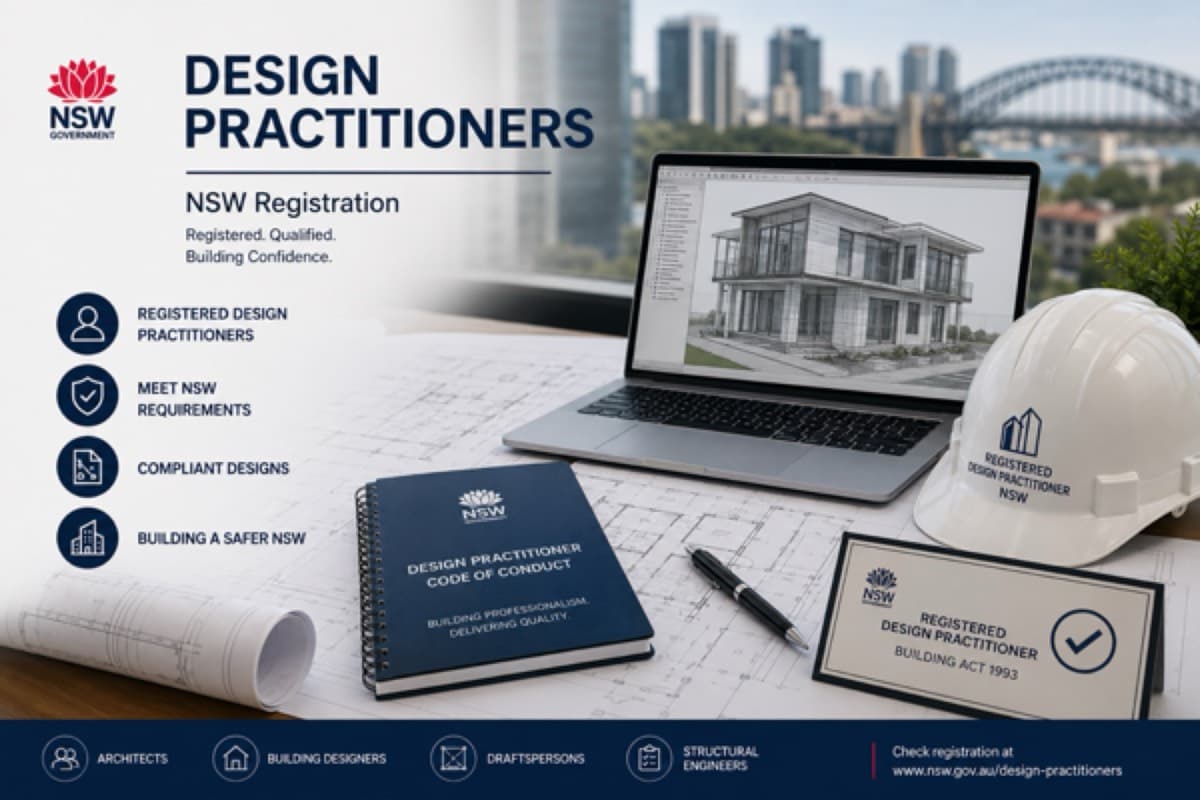
NSW is tightening accreditation and certification requirements for building consultants as the regulatory landscape continues to shift. The changes reflect evolving standards under the Design & Building Practitioners Act and related legislation, with the Building Commission NSW actively updating what it means to be a qualified, registered consultant in the state. Consultants now face a more complex approval process, including credential verification, competency assessments, and ongoing professional development obligations. The new framework aims to lift industry standards and protect building owners by ensuring consultants have demonstrable expertise.
For remedial professionals and strata managers, these changes directly affect who you can engage and what credentials you need to verify before appointing specialists. Consultants working on defect assessment, waterproofing remediation, structural review, or compliance matters will need to ensure their accreditation aligns with NSW requirements. Understanding the updated pathways—whether through university qualifications, technical training, or prior experience recognition—is essential when vetting consultants for high-risk projects. This is particularly relevant for multi-residential buildings where independent expert opinion carries legal weight in defect disputes and remediation planning.
Originally reported by Lander & Rogers. Editorial summary and analysis prepared by Remedial Building Australia.
Why It Matters
Remedial consultants and strata managers need current knowledge of NSW consultant accreditation rules to ensure compliance when engaging specialists for defect work, expert reports, or building assessments. Credential verification is now a tighter compliance point, particularly for Class 2 buildings pursuing remediation under the RAB Act or managing structural and waterproofing defects through litigation or voluntary rectification.
General observation only — not professional, legal, or engineering advice.
Who May Find This Relevant
Source & Attribution
This article contains an editorial summary and industry commentary prepared by Remedial Building Australia. It does not reproduce original article wording. Remedial Building Australia is an independent industry information platform and is not affiliated with the original publisher. Content is general information only — not professional, legal, or engineering advice.
General Information Disclaimer
The information on this page is general industry information only and does not constitute legal, engineering, building, insurance, or professional advice. Users should seek independent professional advice relevant to their specific circumstances. While reasonable efforts are made to ensure accuracy, Remedial Building Australia does not guarantee the completeness or reliability of this information. Terms & Conditions
Related Resources on This Platform
More from Building Commission NSW