Aus and ambitious water construction industry's biggest defect risk.
Editorial Summary — Remedial Building Australia
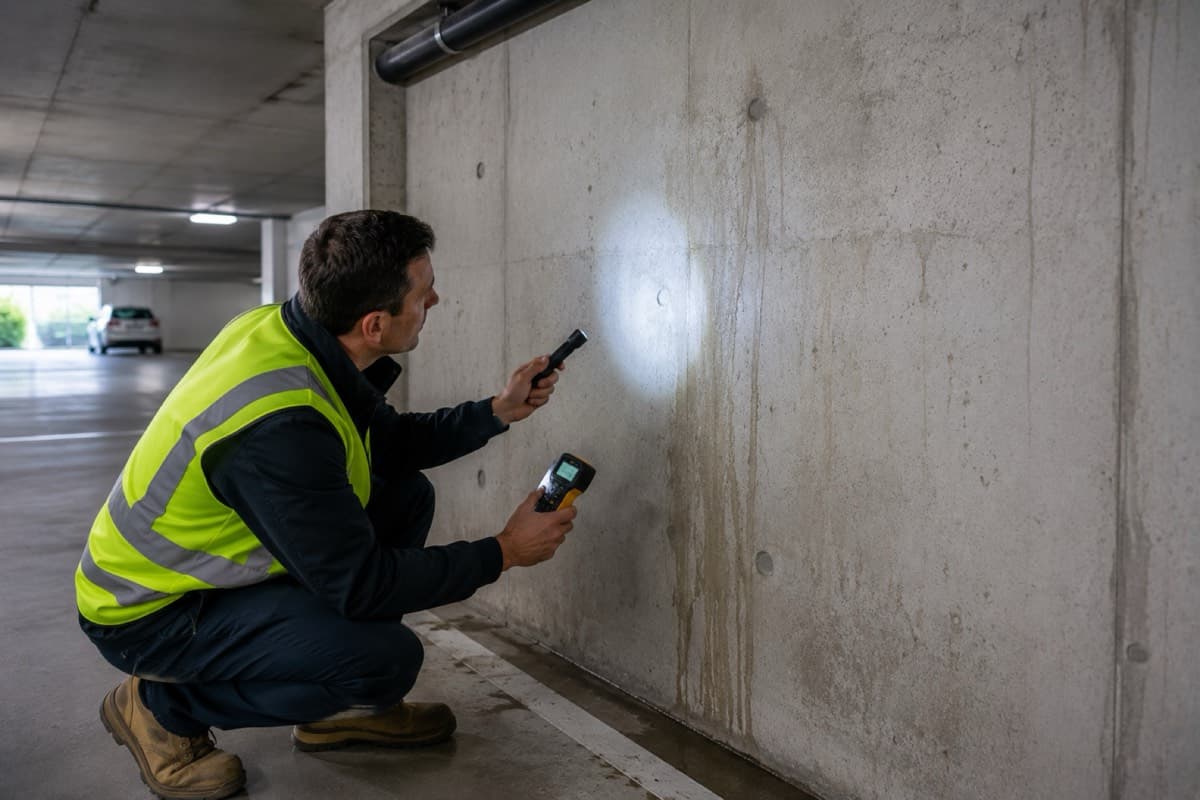
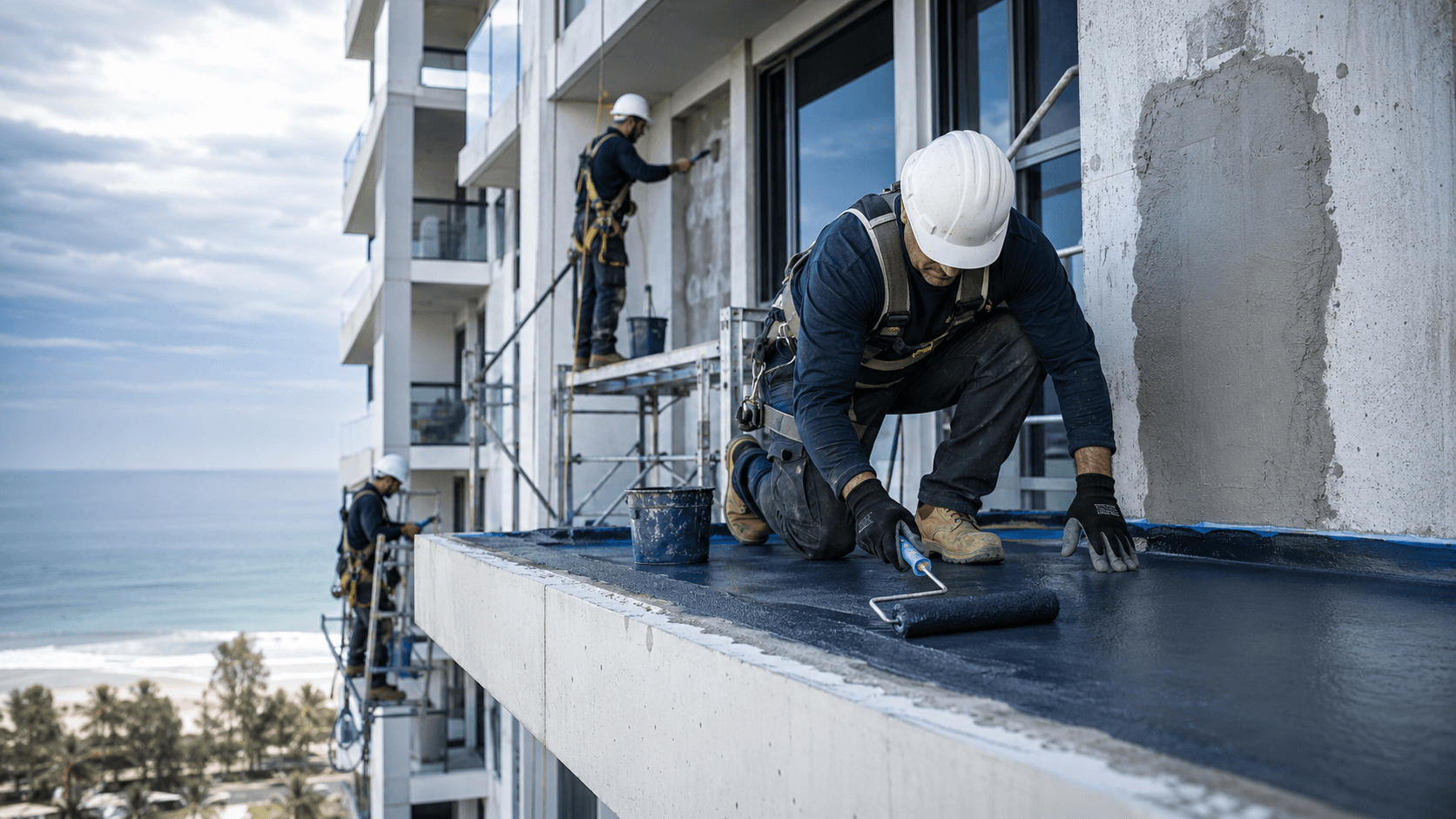
Australia's water construction sector faces significant defect exposure as ambitious infrastructure projects expand across the country. The industry is grappling with quality control challenges that create substantial liability and remediation costs. Water-related construction—pipelines, treatment facilities, storage systems, and associated built infrastructure—involves complex technical requirements where design and execution failures directly impact public safety and environmental outcomes. Defects in water systems often remain hidden for extended periods before surfacing, compounding repair complexity and costs.
For remedial building professionals and construction consultants, this signals growing demand for specialist defect investigation, failure analysis, and remediation work in the water infrastructure sector. Strata managers and building engineers should recognise that water ingress problems in Class 2 buildings often originate from broader infrastructure failures or design gaps in municipal water systems. Understanding these sector-wide defect patterns helps practitioners anticipate similar failure modes in connected residential and commercial building systems, particularly where water management, drainage, and pressure systems interact with building envelopes.
Originally reported by Build Australia. Editorial summary and analysis prepared by Remedial Building Australia.
Why It Matters
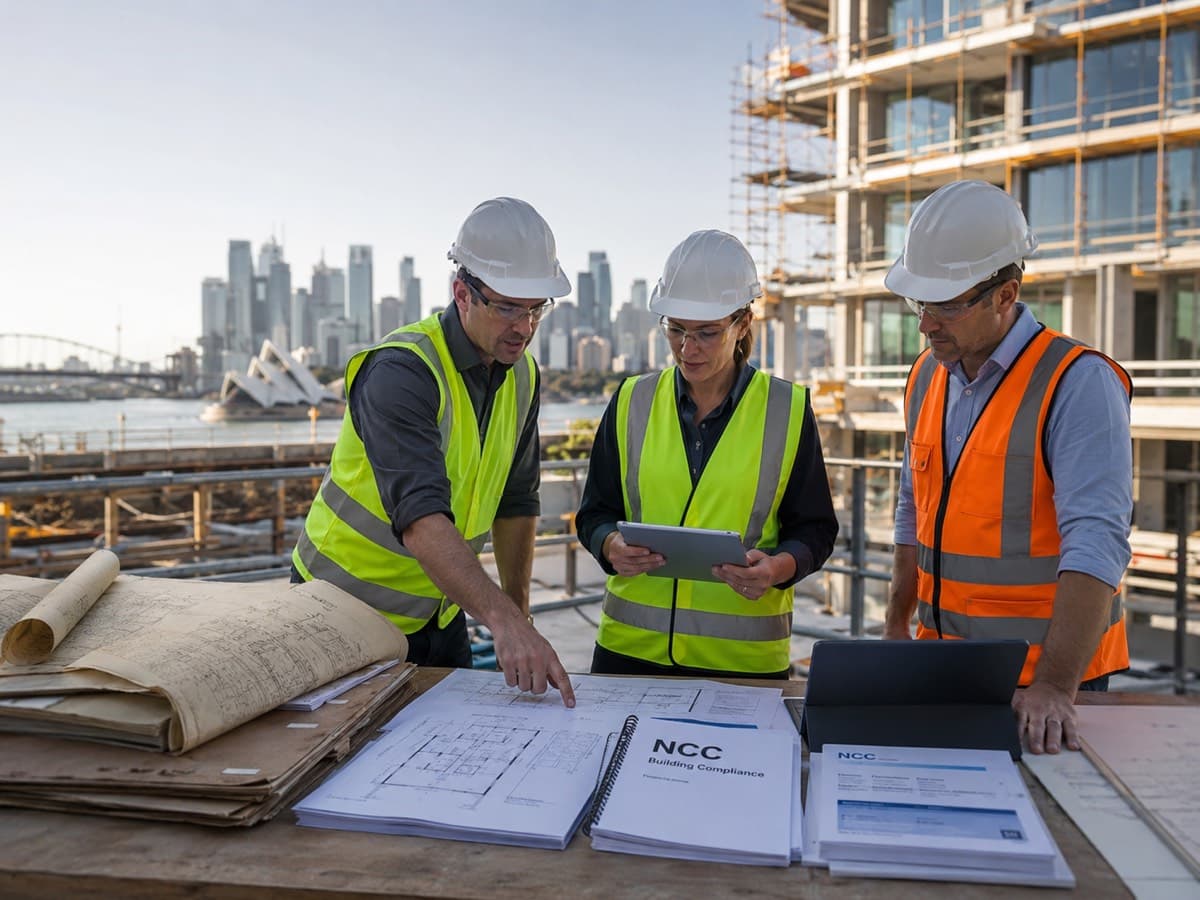
Water construction defects create downstream liability for designers, certifiers, and contractors working on connected building projects. Australian remedial specialists should monitor this sector for emerging defect typologies and technical standards development that may affect building-related water management systems and remediation methodologies.
General observation only — not professional, legal, or engineering advice.
Who May Find This Relevant
Source & Attribution
Editorial summary and industry commentary prepared by Remedial Building Australia. Original article wording is not reproduced. We are an independent platform, not affiliated with the original publisher. General information only — not professional, legal, or engineering advice.
General Information Disclaimer
The information on this page is general industry information only and does not constitute legal, engineering, building, insurance, or professional advice. Users should seek independent professional advice relevant to their specific circumstances. While reasonable efforts are made to ensure accuracy, Remedial Building Australia does not guarantee the completeness or reliability of this information. Terms & Conditions
Related Resources on This Platform