Low‑carbon concrete for infrastructure: design and durability notes for engineers
General Information Disclaimer
The information on this page is general industry information only and does not constitute legal, engineering, building, insurance, or professional advice. Users should seek independent professional advice relevant to their specific circumstances. While reasonable efforts are made to ensure accuracy, Remedial Building Australia does not guarantee the completeness or reliability of this information. Terms & Conditions
Editorial Summary — Remedial Building Australia
This article addresses the engineering considerations for specifying and designing with low-carbon concrete in infrastructure applications. The piece focuses on practical durability notes and design guidance for engineers working with concrete mixes that incorporate supplementary cementitious materials, recycled content, or alternative binders to reduce embodied carbon. The emphasis is on ensuring that performance and service life are not compromised when moving away from conventional Portland cement–based concrete, covering aspects such as early strength development, long-term durability properties, and exposure conditions relevant to infrastructure assets.
Why it matters: Australian remedial and structural engineers increasingly encounter low-carbon concrete specifications in new builds and are being asked to assess repairs and upgrades using these materials. Understanding the durability trade-offs and design adjustments needed for lower-carbon mixes directly affects how we specify concrete repairs, assess existing concrete condition, and plan long-term maintenance strategies for aging infrastructure. This knowledge becomes essential as sustainability requirements tighten across the building and infrastructure sectors.
Originally reported by Geomechanics.io. Editorial summary and analysis prepared by Remedial Building Australia.
Why It Matters
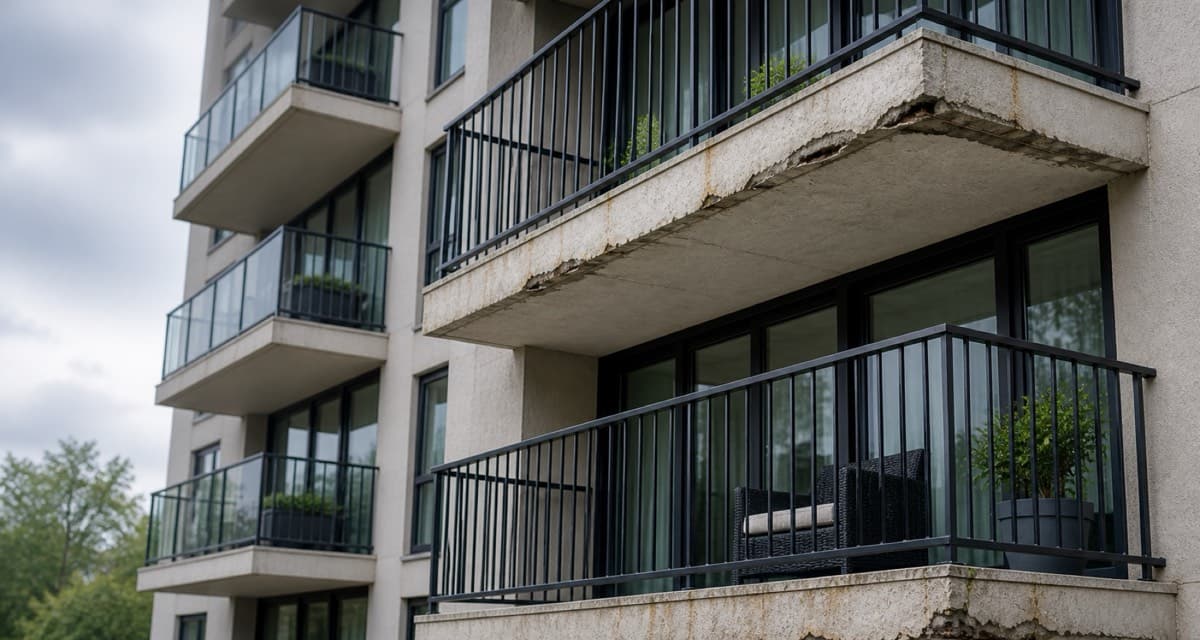
As Australian building codes and client requirements shift toward lower-carbon materials, remedial engineers and concrete specialists need practical durability guidance to specify low-carbon concrete safely in repairs and new work. Understanding performance differences from conventional concrete helps prevent premature deterioration, carbonation, and corrosion issues that could drive future remedial costs and complicate strata maintenance planning.
General observation only — not professional, legal, or engineering advice.
Who May Find This Relevant
Source & Attribution
This article contains an editorial summary and industry commentary prepared by Remedial Building Australia. It does not reproduce original article wording. Remedial Building Australia is an independent industry information platform and is not affiliated with the original publisher. Content is general information only — not professional, legal, or engineering advice.
Related Resources on This Platform