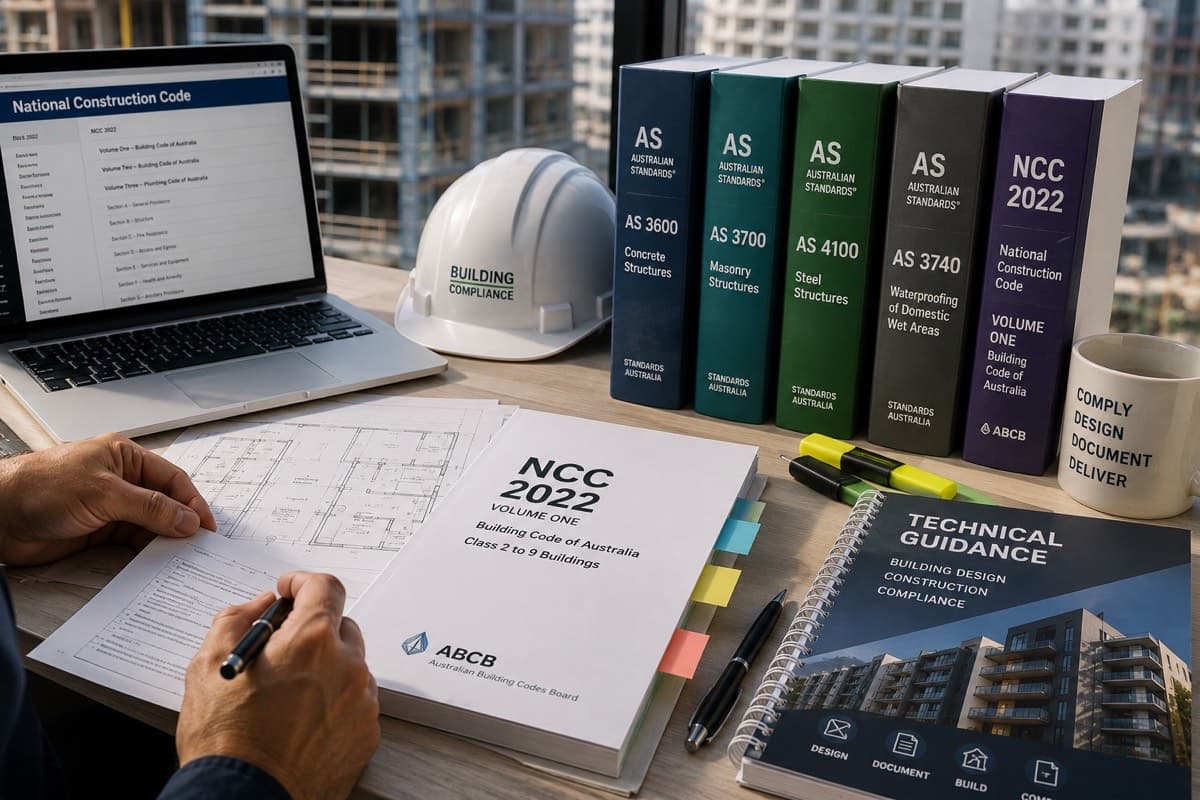
National Construction Code 2025 – who’s doing what and when
Editorial Summary — Remedial Building Australia
The National Construction Code 2025 represents a significant update to Australia's building standards framework, with staged implementation across different jurisdictions and building classes. The article outlines the key changes, responsible parties for delivery and enforcement, and critical timelines for when various provisions take effect. Given the code's influence on remedial building work, waterproofing requirements, structural compliance, and fire safety standards—particularly for Class 2 residential apartment buildings—understanding who is driving changes and when they land is essential for practitioners involved in defect rectification, compliance audits, and building certification.
For remedial building professionals, strata managers, and construction certifiers, knowing the NCC 2025 timeline is critical. Code changes directly affect how defective buildings must be brought into compliance, which standards apply to retrofit and remedial work, and what documentation is required. Early clarity on implementation dates prevents costly rework and helps contractors and consultants plan resource allocation and training schedules.
Originally reported by splash.online. Editorial summary and analysis prepared by Remedial Building Australia.
Why It Matters
The NCC 2025 shapes compliance obligations for remedial work on existing buildings and new construction across Australia. Remedial practitioners, certifiers, and strata managers need clear timelines to align inspection protocols, specification standards, and defect rectification strategies with the updated code. Understanding jurisdiction-specific rollout dates prevents compliance gaps and costly delays in building rectification projects.
General observation only — not professional, legal, or engineering advice.
Source & Attribution
Editorial summary and industry commentary prepared by Remedial Building Australia. Original article wording is not reproduced. We are an independent platform, not affiliated with the original publisher. General information only — not professional, legal, or engineering advice.
General Information Disclaimer
The information on this page is general industry information only and does not constitute legal, engineering, building, insurance, or professional advice. Users should seek independent professional advice relevant to their specific circumstances. While reasonable efforts are made to ensure accuracy, Remedial Building Australia does not guarantee the completeness or reliability of this information. Terms & Conditions
Related Resources on This Platform
More from Other


