Victoria’s building manuals are a good start
General Information Disclaimer
The information on this page is general industry information only and does not constitute legal, engineering, building, insurance, or professional advice. Users should seek independent professional advice relevant to their specific circumstances. While reasonable efforts are made to ensure accuracy, Remedial Building Australia does not guarantee the completeness or reliability of this information. Terms & Conditions
Editorial Summary — Remedial Building Australia
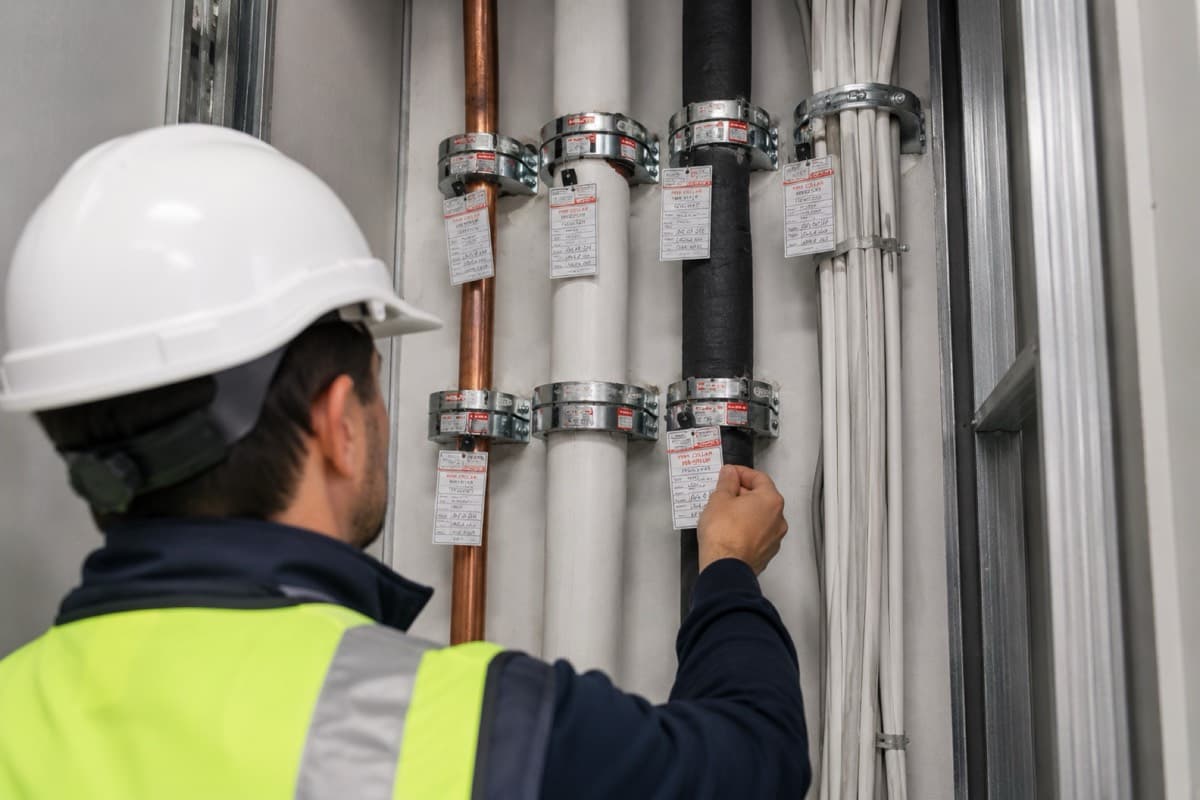
Victoria's Housing and Building Minister Nick Staikos has confirmed plans to mandate building manuals under the Building Amendment (Building Manuals) Regulations 2026. The requirement applies to Class 1b, 2, and 3 buildings and requires a comprehensive repository of construction records, warranties, and safety documentation to be verified before occupancy permits are issued. Implementation has been staggered—the amendment takes effect 1 February 2027, with submission requirements deferred to 1 January 2028. Early-stage approvals have been removed from manual contents to reduce administrative burden.
The reforms address a significant information gap between builders and building owners that can create serious complications during the building's operational life. For remedial professionals and strata managers, complete building manuals mean easier access to critical baseline data for maintenance, safety testing, and remedial works. Engineers Australia confirmed minimal additional costs for industry compliance since documentation already exists as part of standard practice. This positions Victoria as a leader in building transparency and sets a potential benchmark for other Australian jurisdictions.
Why It Matters
Building manuals will streamline access to critical building information for remedial contractors, facility managers, and strata bodies conducting maintenance or defect investigations. Standardised documentation at occupancy significantly reduces time spent sourcing records during remedial assessments and extends transparency throughout a building's lifecycle.
General observation only — not professional, legal, or engineering advice.
Who May Find This Relevant
Source & Attribution
Published: 2 July 2026
This article contains an editorial summary and industry commentary prepared by Remedial Building Australia. It does not reproduce original article wording. Remedial Building Australia is an independent industry information platform and is not affiliated with the original publisher. Content is general information only — not professional, legal, or engineering advice.
Related Resources on This Platform