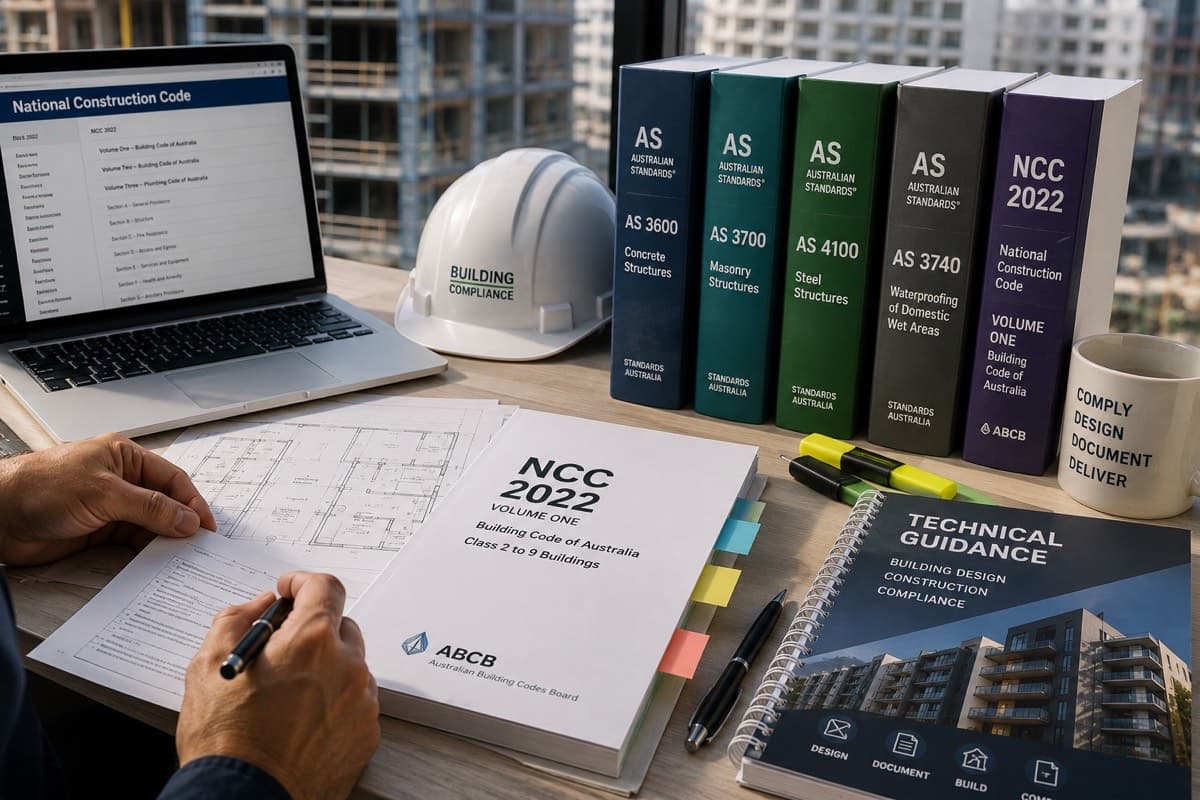
The world’s tallest hybrid timber structure is here in Australia
Editorial Summary — Remedial Building Australia
Australia has completed the world's tallest hybrid timber structure, marking a significant milestone in the adoption of engineered timber as a primary structural material for high-rise buildings. Hybrid timber construction combines cross-laminated timber (CLT) and other engineered wood products with steel or concrete elements to achieve the strength and fire performance needed for multi-storey buildings. This project demonstrates that Australian builders and engineers have the technical capability to design and construct timber buildings at scale, moving beyond residential or mixed-use applications into tall building territory.
For the broader construction sector, this development signals a shift in material choice and design philosophy for tall buildings. Timber construction offers faster build cycles, lower embodied carbon, and potential cost benefits compared to traditional steel and concrete methods. As the NCC continues to open pathways for timber in higher classifications and increased heights, projects like this establish practical precedent and build confidence among developers, certifiers, and insurers that the technical and safety challenges can be solved. The trend may influence how remedial building professionals approach material selection in future retrofit and upgrade projects.
Originally reported by create digital. Editorial summary and analysis prepared by Remedial Building Australia.
Why It Matters
Tall timber projects validate engineered timber as viable for Australian high-rise development and may influence material specifications in future building work. Remedial consultants and building professionals should monitor how fire performance, durability, and long-term structural behaviour of hybrid timber systems compare to traditional methods, particularly for defect investigation and upgrade scenarios.
General observation only — not professional, legal, or engineering advice.
Who May Find This Relevant
Source & Attribution
Editorial summary and industry commentary prepared by Remedial Building Australia. Original article wording is not reproduced. We are an independent platform, not affiliated with the original publisher. General information only — not professional, legal, or engineering advice.
General Information Disclaimer
The information on this page is general industry information only and does not constitute legal, engineering, building, insurance, or professional advice. Users should seek independent professional advice relevant to their specific circumstances. While reasonable efforts are made to ensure accuracy, Remedial Building Australia does not guarantee the completeness or reliability of this information. Terms & Conditions
Related Resources on This Platform
More from New Construction Systems
11 June 2026
Green concrete clients, we have a problem, and it’s not the superior tech nor the price
Read
20 May 2026
Building for generations: the strategic value of the Clarendon Homes lifetime structural guarantee
Read29 April 2026