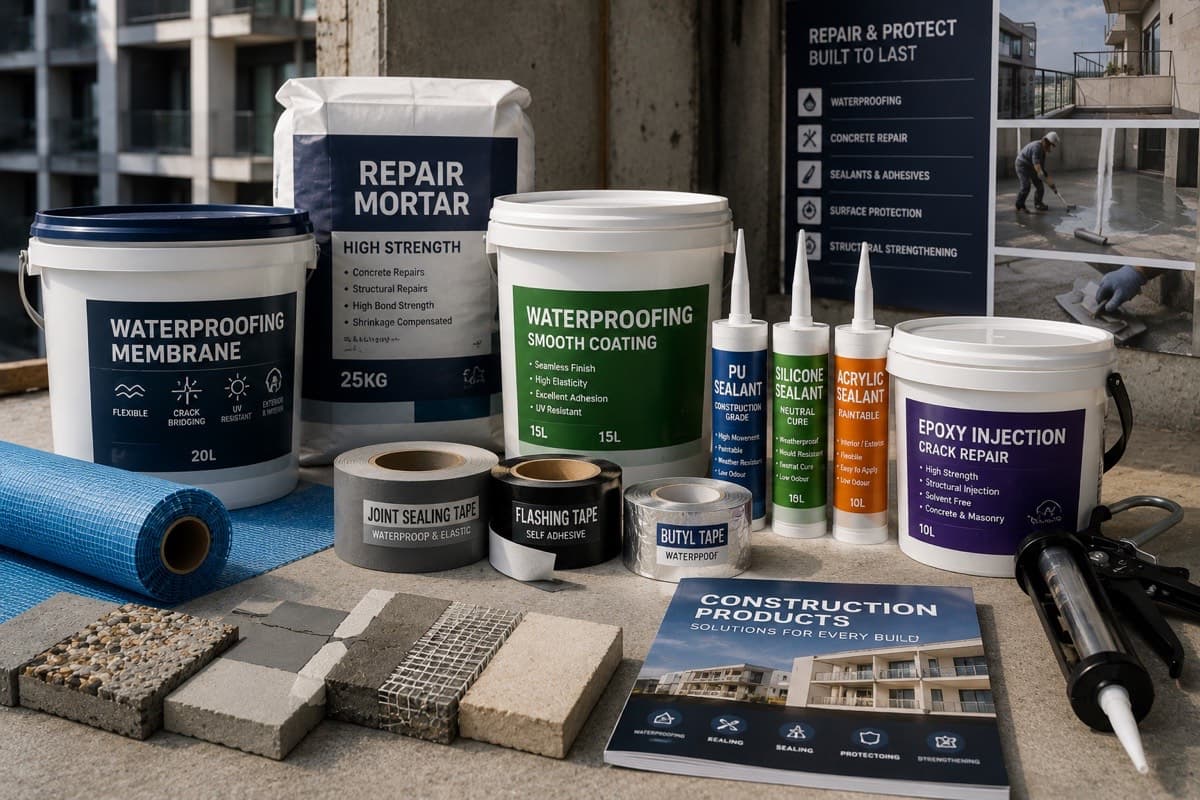
40-year study of silicone sealants: Silicone versus alternative chemistries
Editorial Summary — Remedial Building Australia
A 40-year longitudinal study comparing silicone sealants against alternative sealant chemistries has tracked the performance and degradation patterns of these materials in real-world building conditions. The research provides empirical data on how different sealant formulations withstand UV exposure, thermal cycling, moisture ingress, and environmental stressors over extended periods. Results show measurable differences in joint integrity, adhesion retention, and material degradation across chemistries, with implications for specification and maintenance protocols.
For Australian remedial and strata professionals, this data is valuable when selecting sealant products for facade rectification, window replacement, weathertightness repairs, and joint maintenance in existing apartment buildings. Long-term performance data helps inform decisions about product durability and lifecycle costs, particularly where remedial work needs to meet extended warranty periods or withstand harsh Australian climates. Specifiers and contractors can use these findings to justify material choices and set realistic expectations for sealant replacement intervals on Class 2 buildings undergoing waterproofing upgrades or cladding remediation.
Originally reported by The Construction Specifier. Editorial summary and analysis prepared by Remedial Building Australia.
Why It Matters
Provides evidence-based guidance on sealant product selection for building remediation work. Australian practitioners can reference durability data when specifying materials for facade repairs, weatherproofing systems, and joint sealing on apartment buildings, supporting informed decisions about long-term performance and maintenance planning.
General observation only — not professional, legal, or engineering advice.
Who May Find This Relevant
Source & Attribution
This article contains an editorial summary and industry commentary prepared by Remedial Building Australia. It does not reproduce original article wording. Remedial Building Australia is an independent industry information platform and is not affiliated with the original publisher. Content is general information only — not professional, legal, or engineering advice.
General Information Disclaimer
The information on this page is general industry information only and does not constitute legal, engineering, building, insurance, or professional advice. Users should seek independent professional advice relevant to their specific circumstances. While reasonable efforts are made to ensure accuracy, Remedial Building Australia does not guarantee the completeness or reliability of this information. Terms & Conditions
Related Resources on This Platform
More from Product & Material Updates
24 May 2026
Stormtech FlexiFlange for effective drainage waterproofing
Read
21 May 2026
Sealing against the elements: why smarter moisture protection is gaining ground in Australia and New Zealand
Read15 September 2025