How Concrete Sealants Can Enhance Sustainability in Contemporary Australian Building
General Information Disclaimer
The information on this page is general industry information only and does not constitute legal, engineering, building, insurance, or professional advice. Users should seek independent professional advice relevant to their specific circumstances. While reasonable efforts are made to ensure accuracy, Remedial Building Australia does not guarantee the completeness or reliability of this information. Terms & Conditions
Editorial Summary — Remedial Building Australia
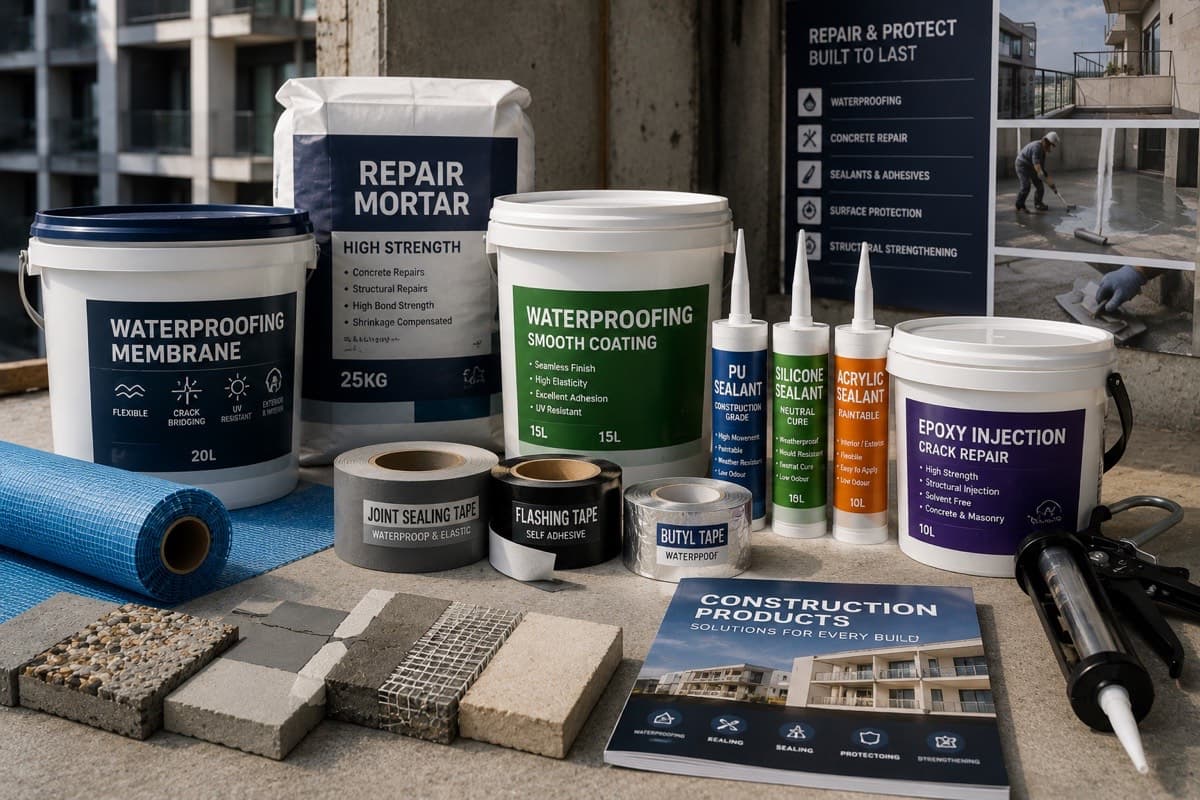
Concrete sealants are gaining traction in Australian building projects as a practical tool for extending concrete lifespan and reducing maintenance cycles. These products work by blocking moisture and chemical penetration into concrete, which slows the progression of common defects like carbonation and reinforcement corrosion. In the Australian climate—where salt spray, wet-dry cycles, and UV exposure accelerate concrete deterioration—quality sealants can meaningfully reduce the frequency of repairs needed on residential apartment buildings, parking structures, and other Class 2 assets over their service life.
For strata managers and remedial consultants, sealant selection matters because it directly affects long-term maintenance budgets and building durability. Choosing products that align with Australian standards (AS 3600, AS 4654) and climate conditions can defer costly concrete cancer rectification work by years. This becomes particularly relevant when planning major upgrades or new construction, where upfront investment in quality sealants often proves cheaper than managing widespread spalling or corrosion defects later.
Originally reported by BOSS Publishing. Editorial summary and analysis prepared by Remedial Building Australia.
Why It Matters
Concrete sealant choice influences maintenance budgets and durability planning for apartment buildings. Specifying products suited to Australian exposure conditions and relevant standards can reduce future remedial costs and extend time between major concrete repair campaigns—a practical consideration for long-term asset management.
General observation only — not professional, legal, or engineering advice.
Who May Find This Relevant
Source & Attribution
This article contains an editorial summary and industry commentary prepared by Remedial Building Australia. It does not reproduce original article wording. Remedial Building Australia is an independent industry information platform and is not affiliated with the original publisher. Content is general information only — not professional, legal, or engineering advice.
Related Resources on This Platform
More from Product & Material Updates