ACT moves to strengthen developer licensing
Editorial Summary — Remedial Building Australia
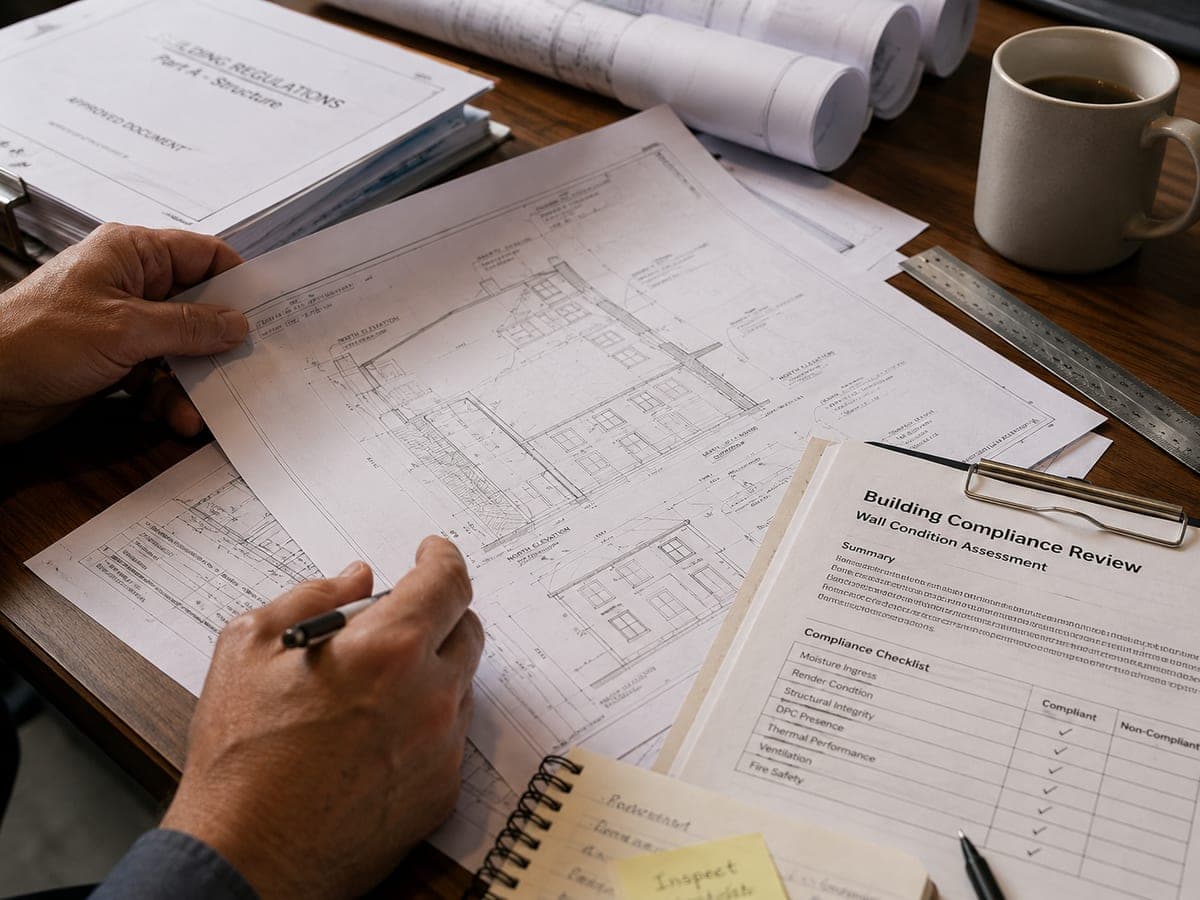
The ACT government is moving to strengthen developer licensing requirements as part of broader efforts to improve building standards and accountability in the territory. The initiative targets tightening oversight of developers involved in residential and mixed-use projects, with the aim of reducing construction defects and improving quality outcomes on new builds. Stricter licensing conditions would likely include enhanced financial probity checks, professional indemnity requirements, and compliance history reviews before developers can operate in the ACT market. This sits within a wider national shift toward tougher practitioner regulation following high-profile building failures across Australian jurisdictions.
Licensing strengthening in one territory often signals momentum toward national harmonisation of developer accountability standards. For remedial consultants and strata managers, tighter upfront developer vetting reduces downstream defect disputes and litigation, though it doesn't eliminate latent defects already embedded in completed stock. The ACT move reflects growing regulatory focus on preventing problems rather than managing them after handover.
Originally reported by Canberra CityNews. Editorial summary and analysis prepared by Remedial Building Australia.
Why It Matters
Developer licensing reforms in the ACT may influence similar moves in other states and territories, potentially reshaping how practitioners and strata managers interact with new-build quality assurance. Stronger upfront controls can reduce future remedial work volumes, though established defects in existing apartment stock remain the core focus for remedial professionals.
General observation only — not professional, legal, or engineering advice.
Who May Find This Relevant
Source & Attribution
Editorial summary and industry commentary prepared by Remedial Building Australia. Original article wording is not reproduced. We are an independent platform, not affiliated with the original publisher. General information only — not professional, legal, or engineering advice.
General Information Disclaimer
The information on this page is general industry information only and does not constitute legal, engineering, building, insurance, or professional advice. Users should seek independent professional advice relevant to their specific circumstances. While reasonable efforts are made to ensure accuracy, Remedial Building Australia does not guarantee the completeness or reliability of this information. Terms & Conditions
Related Resources on This Platform