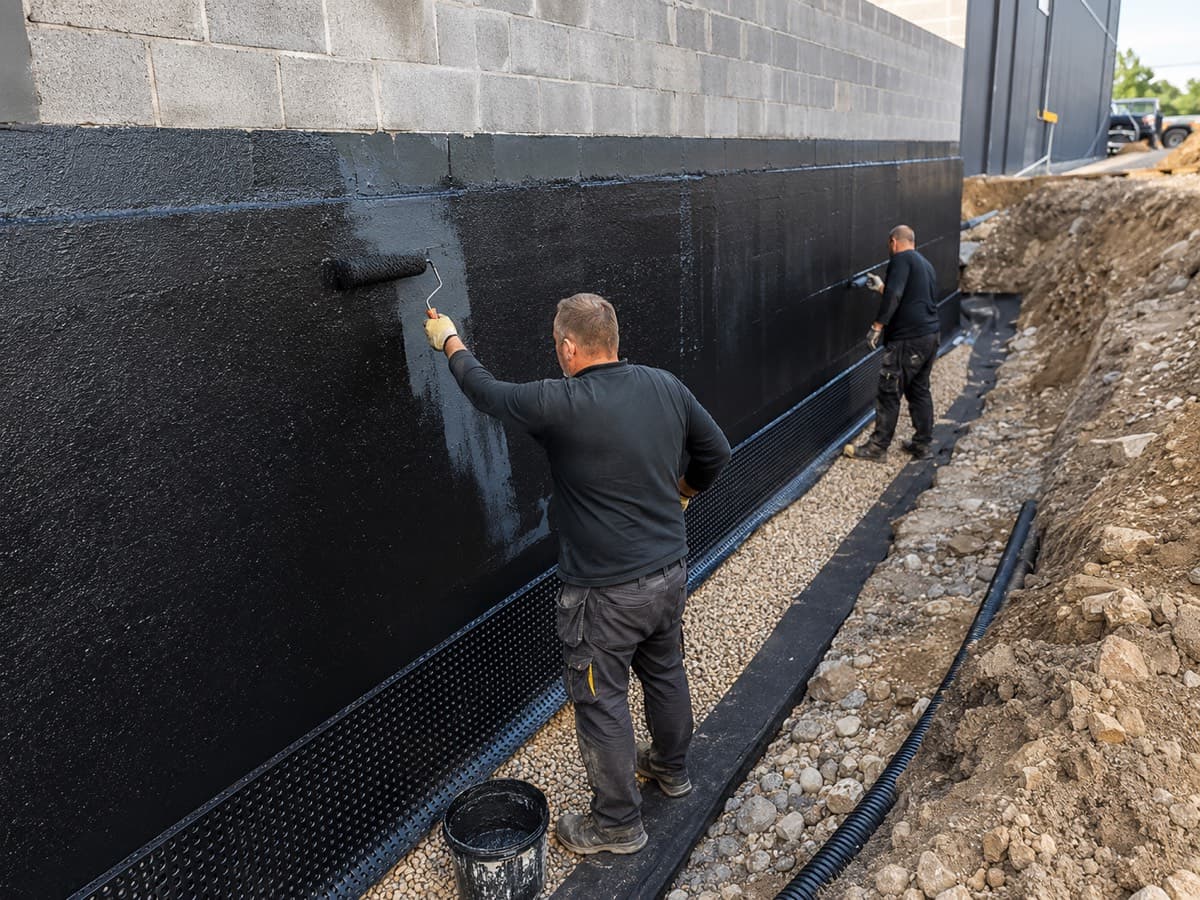
Australian-made carbon-eating building products could cut greenhouse gas levels
General Information Disclaimer
The information on this page is general industry information only and does not constitute legal, engineering, building, insurance, or professional advice. Users should seek independent professional advice relevant to their specific circumstances. While reasonable efforts are made to ensure accuracy, Remedial Building Australia does not guarantee the completeness or reliability of this information. Terms & Conditions
Editorial Summary — Remedial Building Australia
Australian-manufactured building products that reportedly sequester carbon dioxide are understood to be in development, with potential applications in reducing embodied carbon within the built environment. Such products may address concrete carbonation issues by actively absorbing CO₂, which could have dual benefits for both environmental performance and long-term concrete durability in buildings.
The development of locally-manufactured carbon-capture materials may reduce supply chain emissions compared to imported alternatives. This innovation could be relevant to remedial projects where concrete repair or replacement is undertaken, as it may offer environmental credentials beyond traditional products.
The intersection of carbon sequestration technology with building materials remains an emerging area with potential application to Class 2 buildings undergoing sustainability upgrades or major remedial work.
Originally reported by Architecture & Design. Editorial summary and analysis prepared by Remedial Building Australia.
Industry Commentary
Why This May Matter
Local manufacturing of such products may support Australian building projects seeking to reduce embodied carbon and demonstrate environmental compliance
Possible Industry Implications
General observations only — not professional advice. Verify relevance to your circumstances independently.
- Carbon-eating materials could offer an indirect benefit to concrete durability strategies, particularly in façade or structural repairs where carbonation is a concern
- Uptake will likely depend on cost parity, performance verification, and acceptance by building certifiers and engineers in remedial specifications.
Who May Find This Relevant
Source & Attribution
This article contains an editorial summary and industry commentary prepared by Remedial Building Australia. It does not reproduce original article wording. Remedial Building Australia is an independent industry information platform and is not affiliated with the original publisher. Content is general information only — not professional, legal, or engineering advice.
Related Resources on This Platform
More from Product & Material Updates
1 June 2026
ACCC issues takedown requests to Amazon, eBay, Kogan and Fruugo for toys and games containing potentially deadly small magnets
Read
26 May 2026
Goodbye steel rebar? Scientists create 3D-printed plastic reinforcement that "bites" into concrete, prevents corrosion, and could change beams, slabs, and bridges in civil construction.
Read
19 April 2026