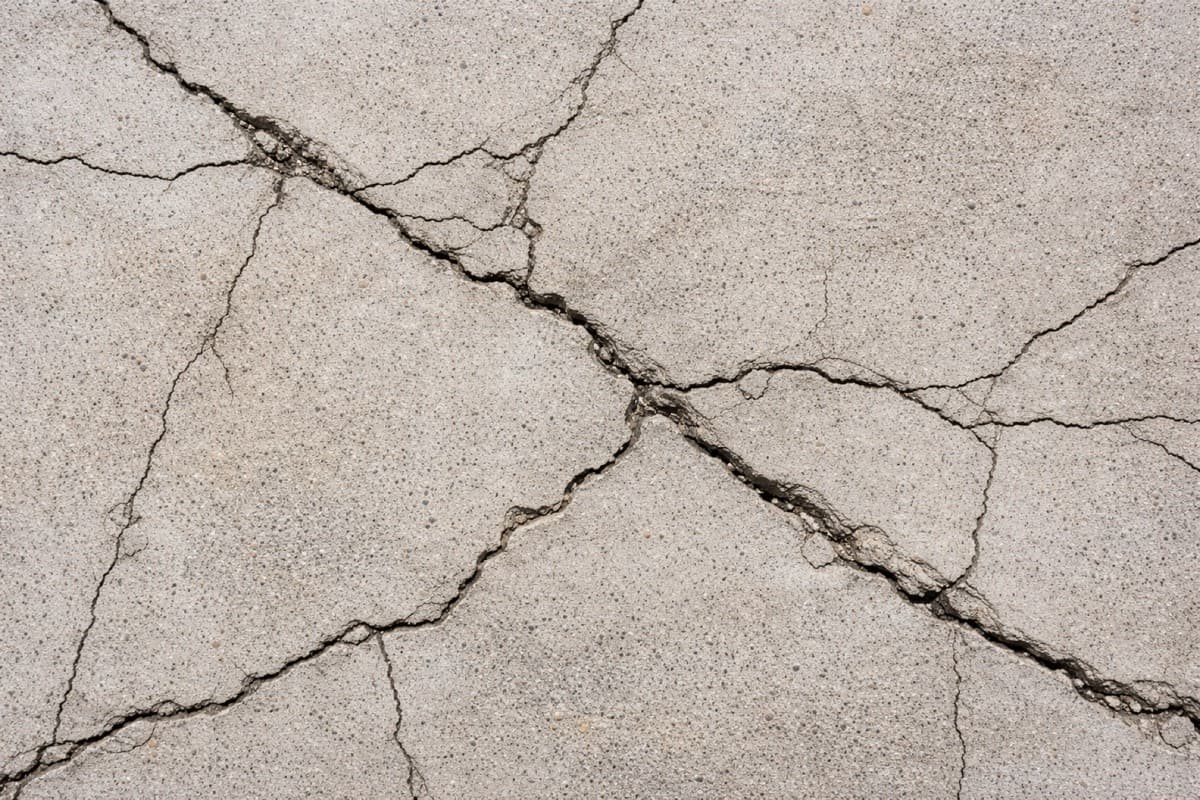
Goodbye steel rebar? Scientists create 3D-printed plastic reinforcement that "bites" into concrete, prevents corrosion, and could change beams, slabs, and bridges in civil construction.
General Information Disclaimer
The information on this page is general industry information only and does not constitute legal, engineering, building, insurance, or professional advice. Users should seek independent professional advice relevant to their specific circumstances. While reasonable efforts are made to ensure accuracy, Remedial Building Australia does not guarantee the completeness or reliability of this information. Terms & Conditions
Editorial Summary — Remedial Building Australia
Scientists have reportedly developed a 3D-printed plastic reinforcement system designed to replace traditional steel rebar in concrete applications. The innovation is understood to incorporate a mechanical "biting" mechanism that anchors the plastic reinforcement into the concrete matrix, potentially addressing one of the historical limitations of non-steel alternatives.
A key claimed advantage is corrosion resistance, which may extend service life in environments where steel rebar degradation is a concern—particularly relevant to Australia's coastal and high-moisture building contexts. The technology could theoretically be applied to beams, slabs, and bridge structures, though field validation and compliance with AS 3600 and relevant building codes would be essential before widespread adoption.
The development reflects ongoing industry interest in durable reinforcement alternatives, though practical considerations such as cost, manufacturing scalability, fire performance, and regulatory acceptance in Australian construction remain to be clarified.
Originally reported by CPG Click Petróleo e Gás. Editorial summary and analysis prepared by Remedial Building Australia.
Industry Commentary
Why This May Matter
Reinforcement corrosion is a significant driver of concrete remediation costs in Australia; alternative materials that address durability could influence future repair and new construction strategies.
Possible Industry Implications
General observations only — not professional advice. Verify relevance to your circumstances independently.
- Any new reinforcement technology would need to demonstrate compliance with NCC and AS 3600 before acceptance in Australian projects, and would likely require extensive field trials and independent certification.
- If viable, such alternatives could reduce long-term maintenance liability for strata schemes and building owners in corrosion-prone environments, though initial cost and performance data are needed to assess real-world value.
Who May Find This Relevant
Source & Attribution
This article contains an editorial summary and industry commentary prepared by Remedial Building Australia. It does not reproduce original article wording. Remedial Building Australia is an independent industry information platform and is not affiliated with the original publisher. Content is general information only — not professional, legal, or engineering advice.
Related Resources on This Platform
More from Product & Material Updates
1 June 2026
ACCC issues takedown requests to Amazon, eBay, Kogan and Fruugo for toys and games containing potentially deadly small magnets
Read
29 May 2026
Australian-made carbon-eating building products could cut greenhouse gas levels
Read
19 April 2026