By 2050, many Sydney apartments built to today’s standards could be too hot for weeks at a time
Editorial Summary — Remedial Building Australia
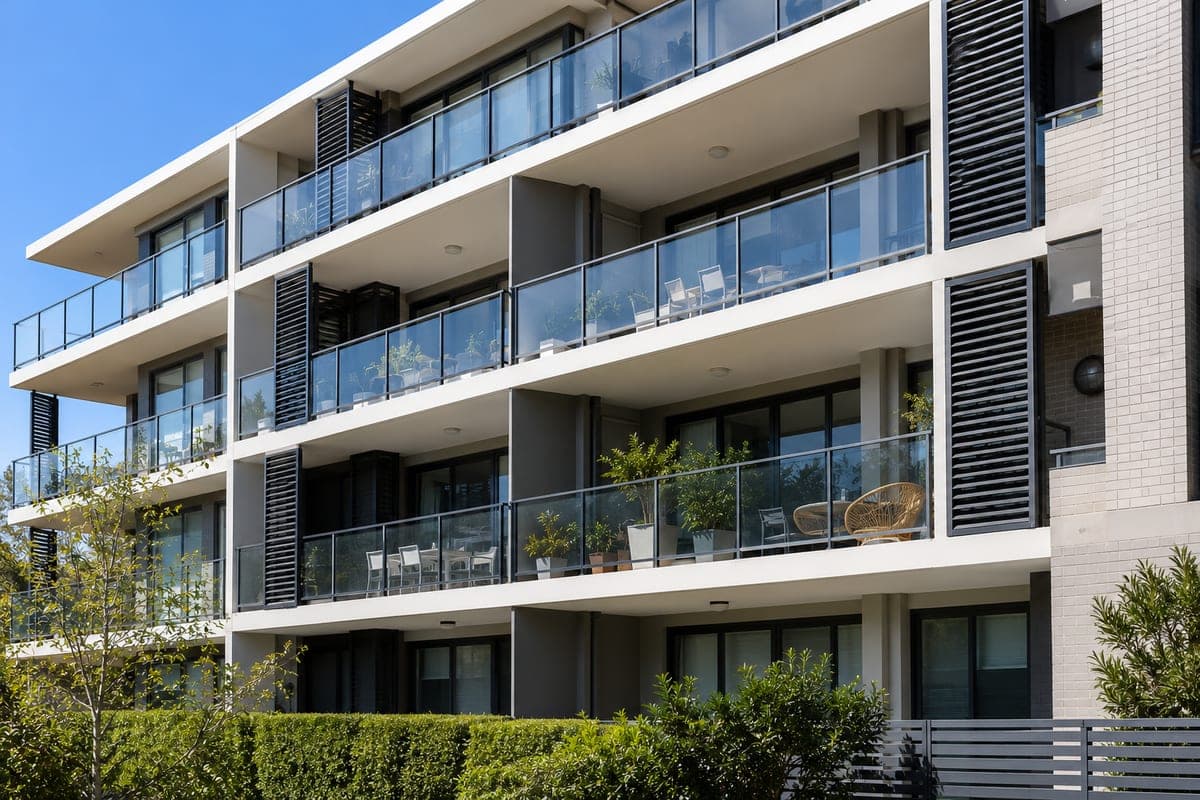
Sydney's apartment stock built under current standards faces a serious livability challenge as climate projections to 2050 show extended periods of extreme heat. The research indicates that buildings designed to meet today's thermal comfort and energy efficiency benchmarks will struggle to maintain safe or comfortable indoor temperatures during future heatwaves. With Penrith already hitting 48.9°C in January 2020—the highest temperature recorded in Greater Sydney—modelling suggests many apartments will experience weeks where internal temperatures become dangerously high, particularly in upper floors and units with limited shading or ventilation. This creates a cascade of problems: increased reliance on air conditioning (driving energy consumption and costs), potential health risks for vulnerable residents, and questions about whether current building codes adequately protect occupants against foreseeable climate scenarios.
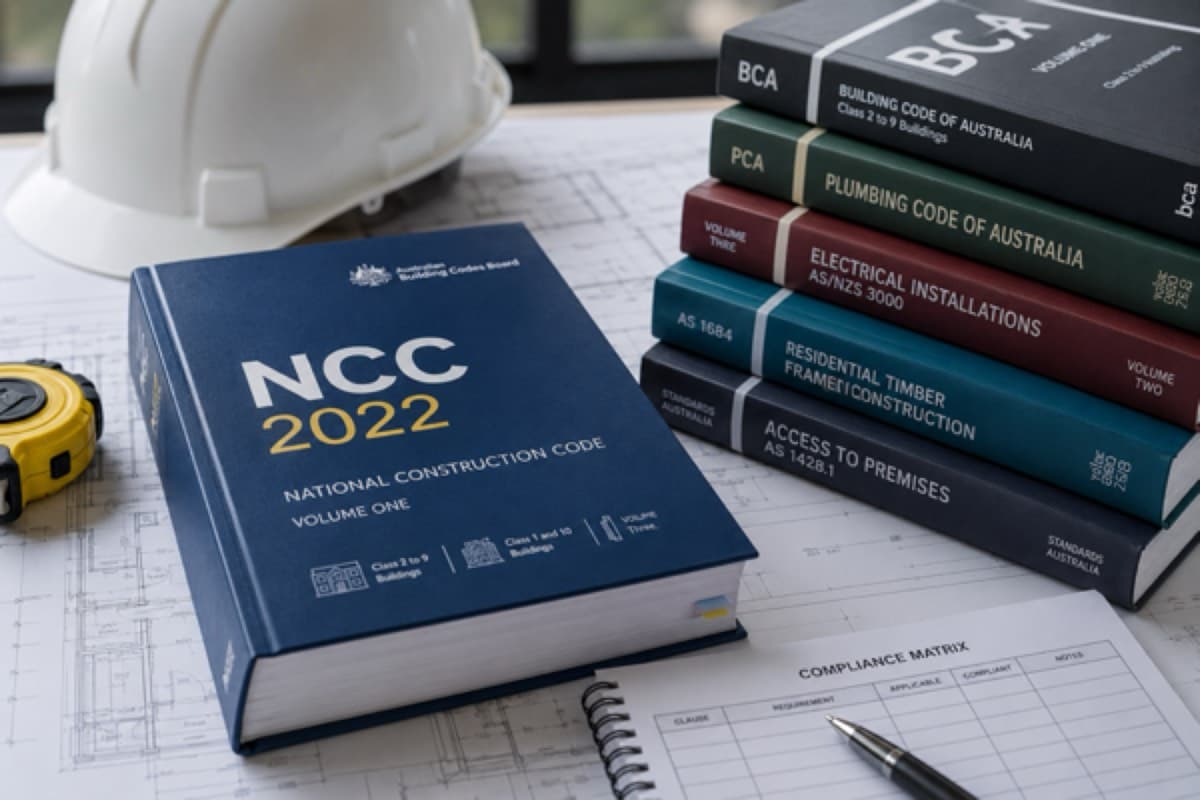
The findings challenge the adequacy of current NCC compliance pathways and building design practices for residential apartments. Strata managers, building owners, and remedial practitioners need to consider whether retrofitting existing apartments with improved thermal mass, external shading, ventilation systems, or reflective glazing becomes a remedial priority rather than an optional upgrade. As climate-related defects and performance failures emerge, liability questions will follow—particularly for buildings that fail to meet future liveability standards.
Originally reported by Industry News. Editorial summary and analysis prepared by Remedial Building Australia.
Why It Matters
Climate performance is becoming a building defect issue. Strata committees and owners will face pressure to upgrade thermal performance in existing apartments, driving demand for remedial works. Building practitioners should track how courts and regulators treat thermal comfort failures under latent defect and fitness-for-purpose frameworks as climate impacts accelerate.
General observation only — not professional, legal, or engineering advice.
Who May Find This Relevant
Source & Attribution
Editorial summary and industry commentary prepared by Remedial Building Australia. Original article wording is not reproduced. We are an independent platform, not affiliated with the original publisher. General information only — not professional, legal, or engineering advice.
General Information Disclaimer
The information on this page is general industry information only and does not constitute legal, engineering, building, insurance, or professional advice. Users should seek independent professional advice relevant to their specific circumstances. While reasonable efforts are made to ensure accuracy, Remedial Building Australia does not guarantee the completeness or reliability of this information. Terms & Conditions
Related Resources on This Platform