Fire resistance in concrete structures: Lightweight solutions for building refurbishment under NCC 2025
General Information Disclaimer
The information on this page is general industry information only and does not constitute legal, engineering, building, insurance, or professional advice. Users should seek independent professional advice relevant to their specific circumstances. While reasonable efforts are made to ensure accuracy, Remedial Building Australia does not guarantee the completeness or reliability of this information. Terms & Conditions
Editorial Summary — Remedial Building Australia
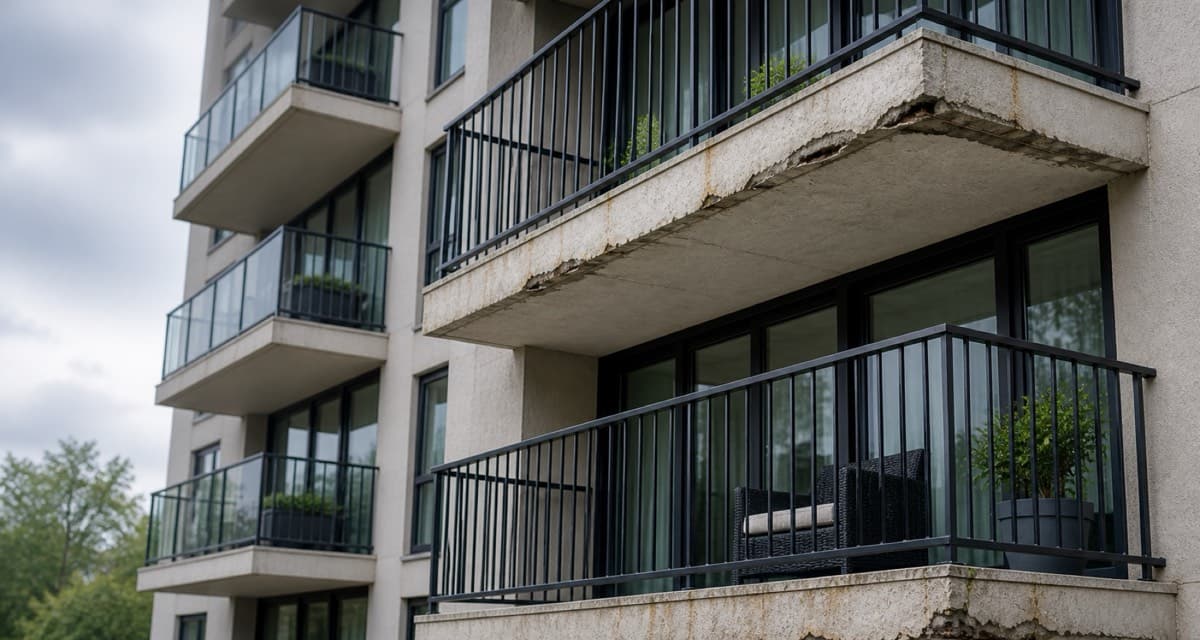
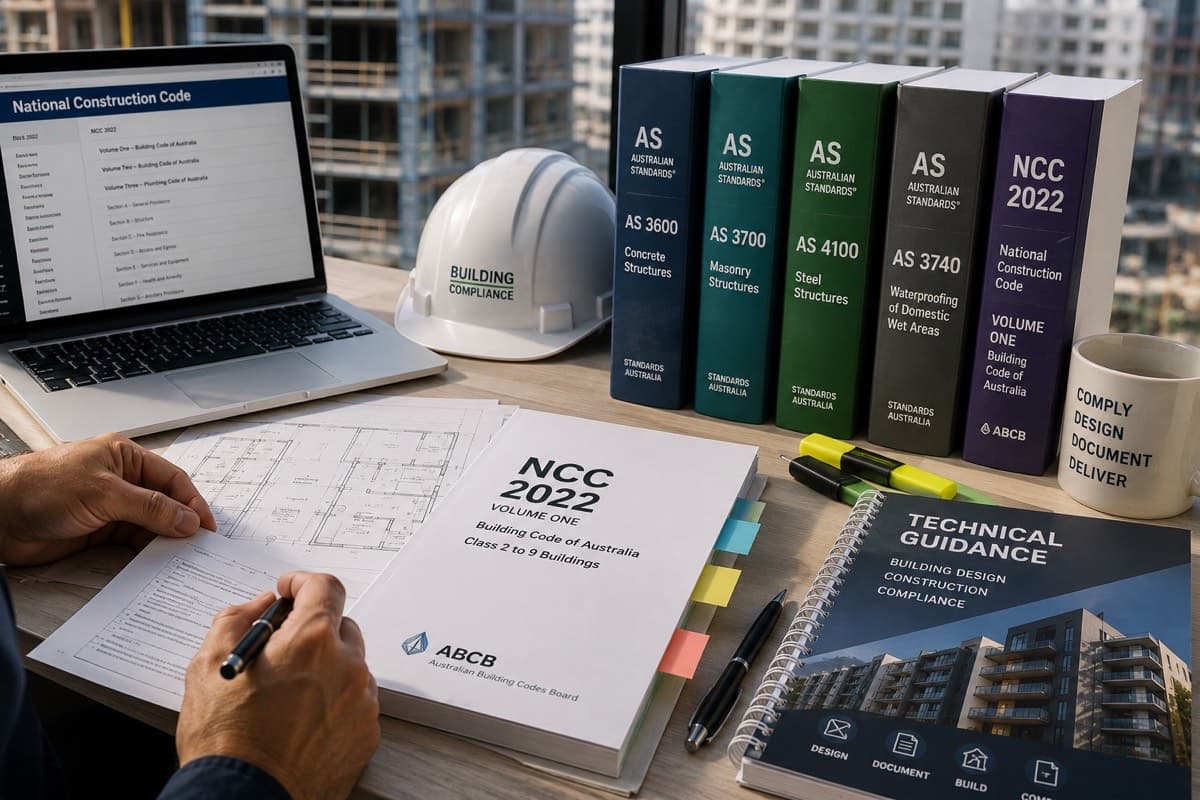
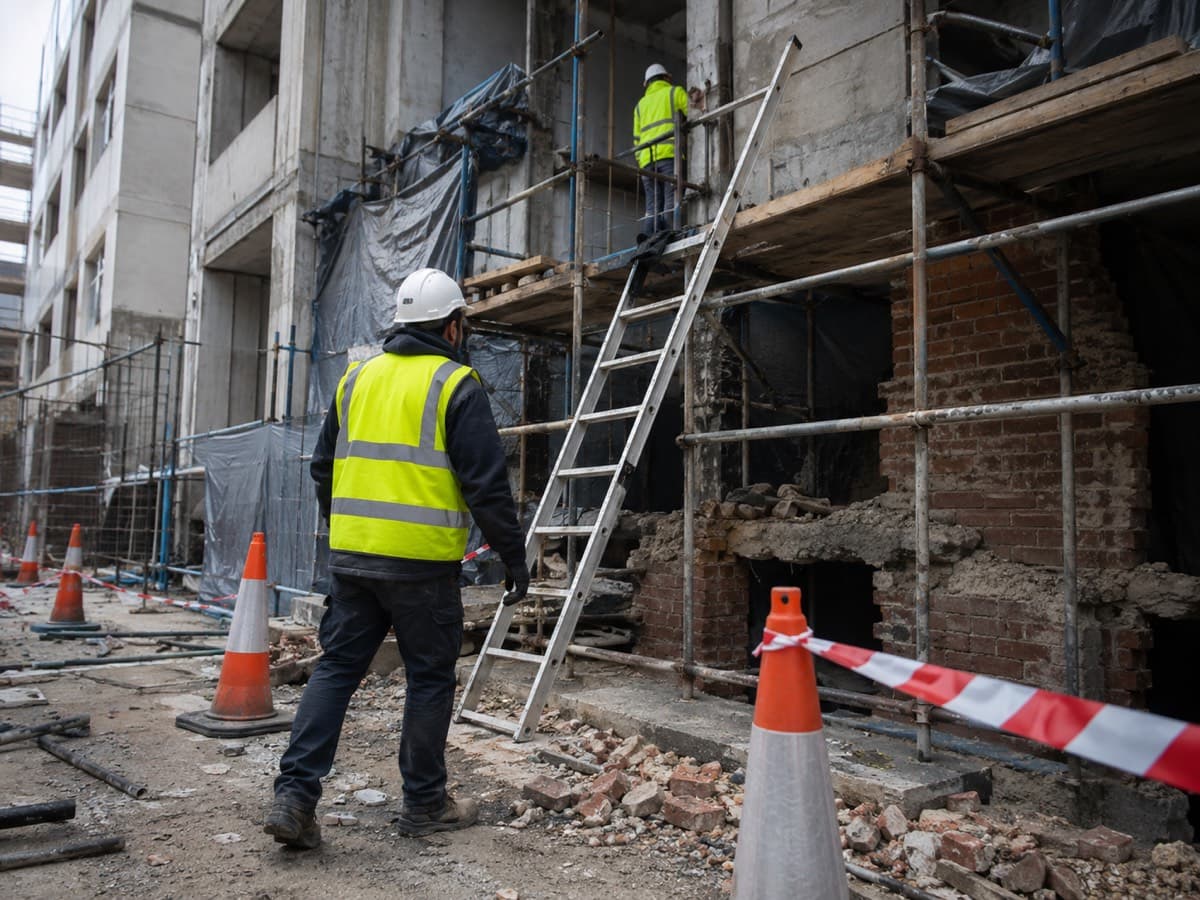
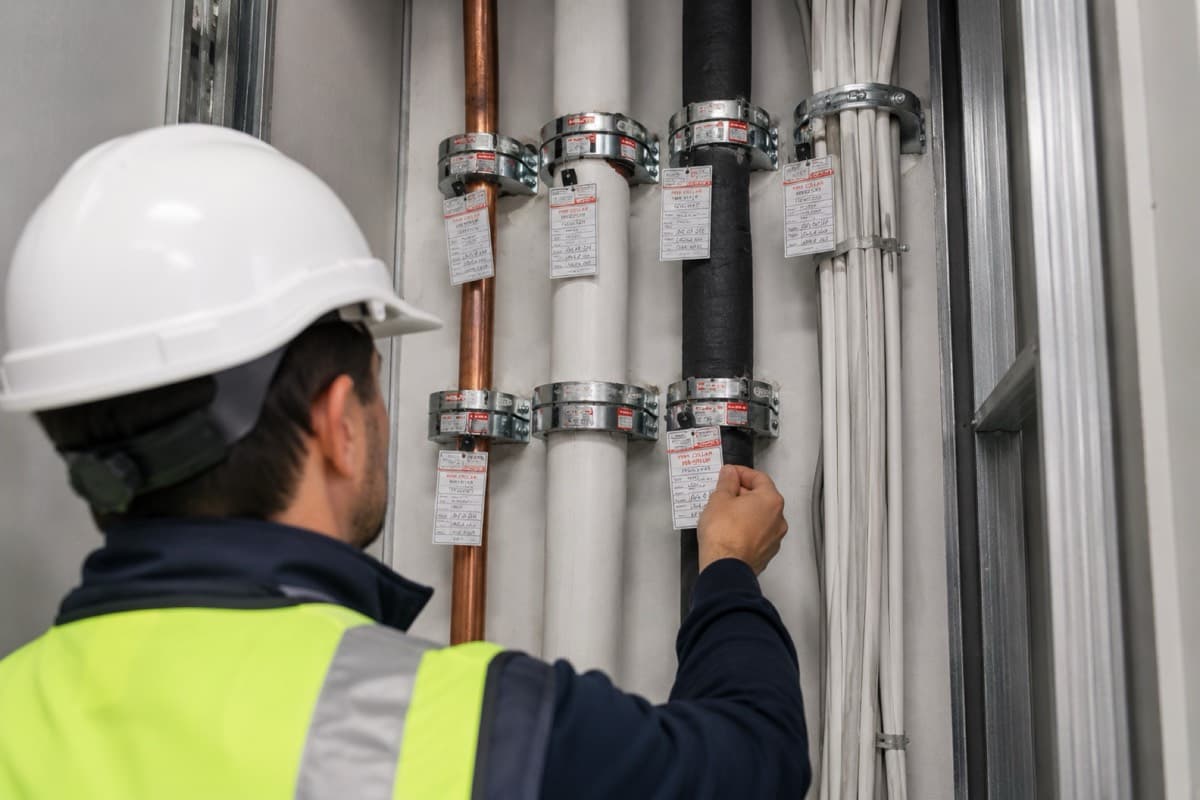
The article addresses fire-resistance requirements for concrete structures under the updated National Construction Code 2025, with a focus on lightweight solutions suitable for apartment building refurbishment work. Fire performance of concrete in Class 2 buildings is a compliance-critical issue, particularly where buildings are being upgraded or where structural elements need replacement or protection. Lightweight concrete and related fire-resistant systems offer practical alternatives to traditional heavy-mass approaches, reducing structural loads during remedial works while maintaining or improving fire ratings. The NCC 2025 updates reflect tightened fire safety expectations across the residential apartment sector, meaning remedial consultants and contractors need to understand how these standards apply to existing buildings undergoing refurbishment—especially where structural repair, waterproofing upgrades, or façade work intersect with fire-safety obligations.
For remedial building professionals and strata managers dealing with Class 2 apartment buildings, staying current with NCC 2025 fire-resistance pathways is essential. Lightweight concrete solutions can reduce costs and construction complexity during major refurbishments, but only if correctly specified and certified. This update helps practitioners navigate compliance options when concrete structures need fire-safety upgrades as part of broader remedial programmes.
Originally reported by Architecture & Design. Editorial summary and analysis prepared by Remedial Building Australia.
Why It Matters
Remedial consultants, engineers, and strata managers overseeing Class 2 apartment refurbishment need to understand NCC 2025 fire-resistance pathways and the role of lightweight concrete solutions. Knowing these compliant technical options reduces unnecessary specification costs and construction delays during major remedial programmes involving structural or façade work.
General observation only — not professional, legal, or engineering advice.
Who May Find This Relevant
Source & Attribution
This article contains an editorial summary and industry commentary prepared by Remedial Building Australia. It does not reproduce original article wording. Remedial Building Australia is an independent industry information platform and is not affiliated with the original publisher. Content is general information only — not professional, legal, or engineering advice.
Related Resources on This Platform