CPD Online - Balcony drainage systems in multi-residential design: Challenges, solutions & the impact of NCC 2025
Editorial Summary — Remedial Building Australia
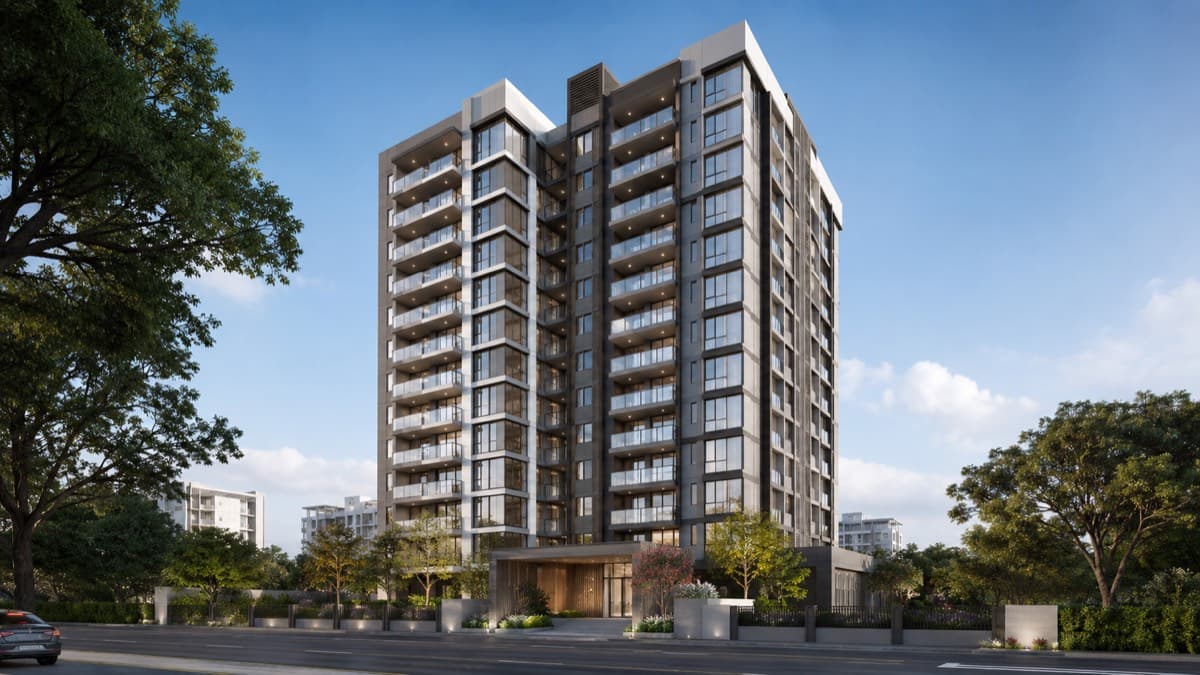
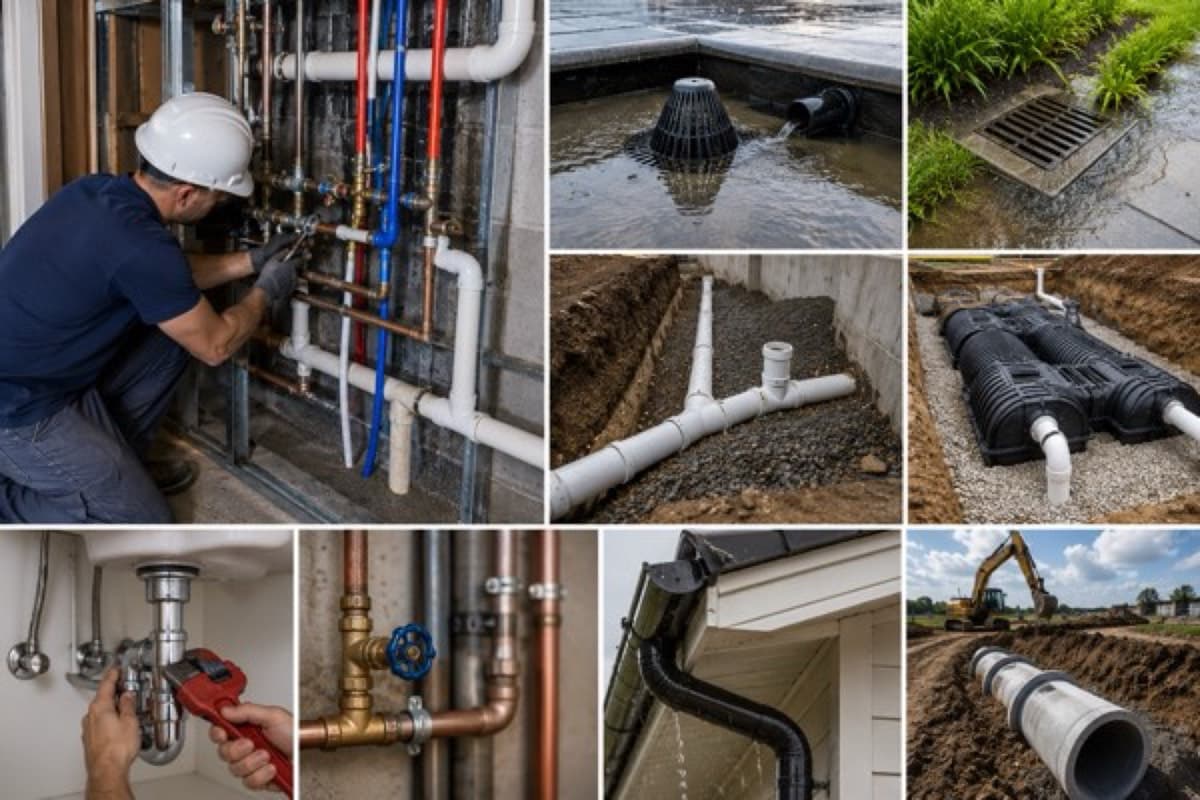
This CPD online course addresses balcony drainage systems in multi-residential buildings, focusing on the design challenges that lead to water ingress and subsequent building defects. The training covers practical solutions for managing drainage in apartment buildings and explains how the updated National Construction Code 2025 affects design and construction requirements for balconies. The course material walks through common failure points in balcony construction and how proper drainage specification prevents costly water damage to underlying structures and internal spaces.
The topic sits squarely in the remedial building space because balcony water ingress remains one of the most persistent defect issues in Class 2 apartment buildings across Australia. Many existing buildings suffer from poorly designed or maintained drainage systems that allow water penetration into structural elements and residential units. Understanding the NCC 2025 changes ensures that remedial work, new construction, and building certifiers are aligned on current compliance expectations. This kind of technical CPD helps consultants, builders, and strata managers tackle a recurring problem that drives significant remedial costs.
Originally reported by Architecture & Design. Editorial summary and analysis prepared by Remedial Building Australia.
Why It Matters
Balcony drainage failures are a leading cause of water ingress claims in multi-residential buildings. NCC 2025 updates create new compliance obligations for design and construction. Building professionals involved in remediation, certification, or strata defect management need current knowledge of both the technical solutions and the updated code requirements to manage risk and prevent disputes.
General observation only — not professional, legal, or engineering advice.
Who May Find This Relevant
Source & Attribution
This article contains an editorial summary and industry commentary prepared by Remedial Building Australia. It does not reproduce original article wording. Remedial Building Australia is an independent industry information platform and is not affiliated with the original publisher. Content is general information only — not professional, legal, or engineering advice.
General Information Disclaimer
The information on this page is general industry information only and does not constitute legal, engineering, building, insurance, or professional advice. Users should seek independent professional advice relevant to their specific circumstances. While reasonable efforts are made to ensure accuracy, Remedial Building Australia does not guarantee the completeness or reliability of this information. Terms & Conditions
Related Resources on This Platform