Frequently asked questions about smoke alarms
Editorial Summary — Remedial Building Australia
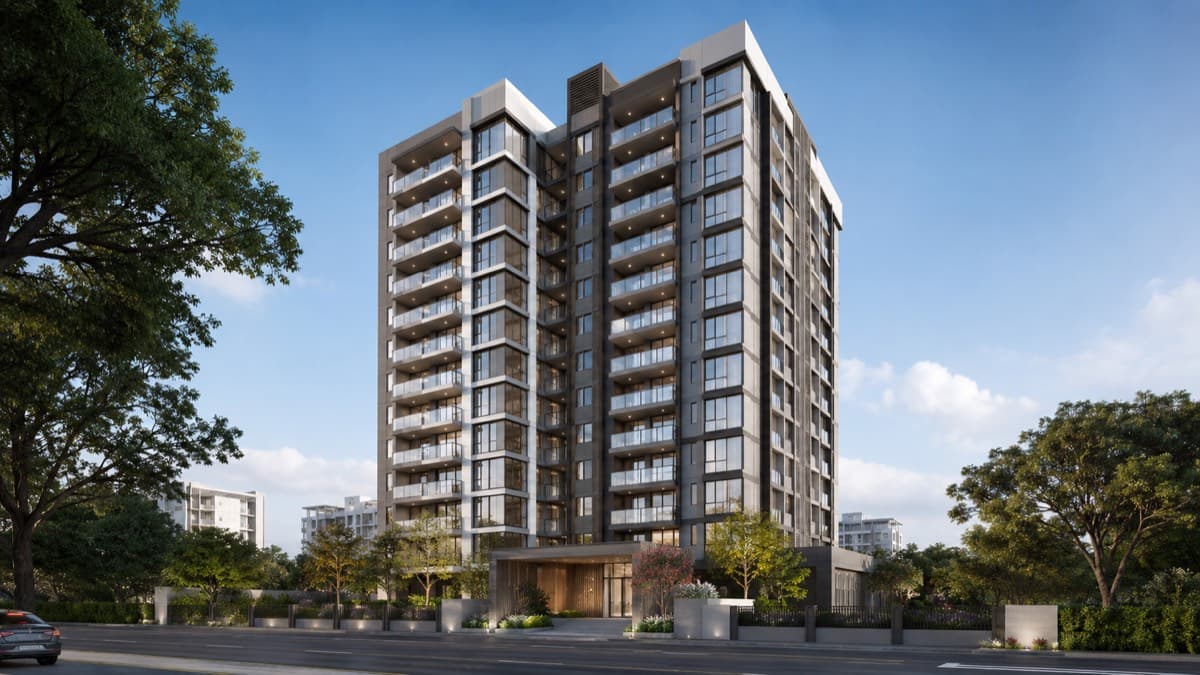
The Queensland Fire Department has published guidance addressing common questions about smoke alarm installation, maintenance, and compliance in residential settings. The resource appears designed to clarify regulatory requirements and best-practice expectations for property owners and occupants, particularly in relation to Class 2 residential apartment buildings where fire safety standards are mandated.
This type of educational material supports broader fire safety compliance across the residential sector. Clarity on smoke alarm obligations—including placement, testing frequency, and battery replacement—can reduce non-compliance in strata schemes and apartment buildings, which remain a consistent remedial focus in Australian Class 2 building defect investigations.
Originally reported by Queensland Fire Department. Editorial summary and analysis prepared by Remedial Building Australia.
Why It Matters
Smoke alarm compliance is a recurring defect issue in strata audits and remedial building assessments. Clear regulatory guidance from fire authorities helps strata managers and building certifiers identify and remedy non-compliance, reducing liability exposure and supporting systematic fire safety upgrades in existing apartment buildings.
General observation only — not professional, legal, or engineering advice.
Who May Find This Relevant
Source & Attribution
Editorial summary and industry commentary prepared by Remedial Building Australia. Original article wording is not reproduced. We are an independent platform, not affiliated with the original publisher. General information only — not professional, legal, or engineering advice.
General Information Disclaimer
The information on this page is general industry information only and does not constitute legal, engineering, building, insurance, or professional advice. Users should seek independent professional advice relevant to their specific circumstances. While reasonable efforts are made to ensure accuracy, Remedial Building Australia does not guarantee the completeness or reliability of this information. Terms & Conditions
Related Resources on This Platform
More from Class 2 Buildings