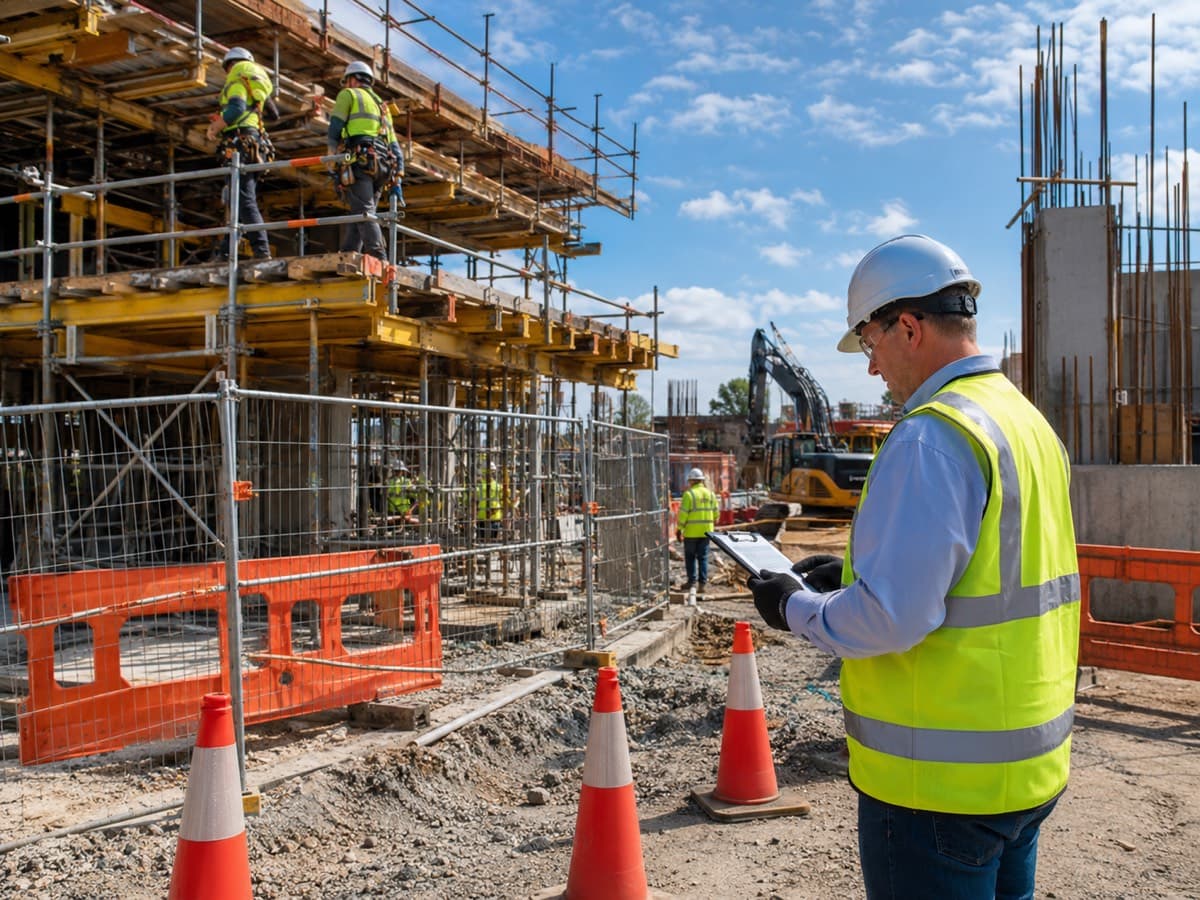
Digital facade inspections take off
General Information Disclaimer
The information on this page is general industry information only and does not constitute legal, engineering, building, insurance, or professional advice. Users should seek independent professional advice relevant to their specific circumstances. While reasonable efforts are made to ensure accuracy, Remedial Building Australia does not guarantee the completeness or reliability of this information. Terms & Conditions
Editorial Summary — Remedial Building Australia
Digital inspection technologies are gaining traction in façade assessment work, offering faster and more detailed data capture than traditional methods. Drone-based imaging, thermal scanning, and AI-assisted analysis tools allow inspectors to document building exterior conditions, identify potential problem areas, and generate comprehensive reports without extended scaffolding or access equipment. This shift reduces costs, improves safety for inspection personnel, and creates clearer records for building owners and managers tracking facade maintenance over time.
For Australian remedial building professionals and strata managers, this development has direct application to Class 2 apartment buildings where façade condition assessment is increasingly required for compliance, insurance, and defect rectification planning. Digital inspection data supports better decision-making on waterproofing repairs, cladding issues, and concrete spalling work—particularly where building age and exposure create ongoing deterioration risks. The technology also strengthens documentation for strata defect disputes and insurance claims by providing objective visual evidence.
Originally reported by GIM International. Editorial summary and analysis prepared by Remedial Building Australia.
Why It Matters
Façade inspection methods are evolving toward digital capture and analysis, which streamlines defect identification and record-keeping for apartment buildings. For remedial consultants, building surveyors, and strata managers, understanding these tools helps improve inspection quality and supports more informed repair planning and cost justification to owner corporations.
General observation only — not professional, legal, or engineering advice.
Who May Find This Relevant
Source & Attribution
This article contains an editorial summary and industry commentary prepared by Remedial Building Australia. It does not reproduce original article wording. Remedial Building Australia is an independent industry information platform and is not affiliated with the original publisher. Content is general information only — not professional, legal, or engineering advice.
Related Resources on This Platform