NSW government proposes building law reforms to support more prefab homes
Editorial Summary — Remedial Building Australia
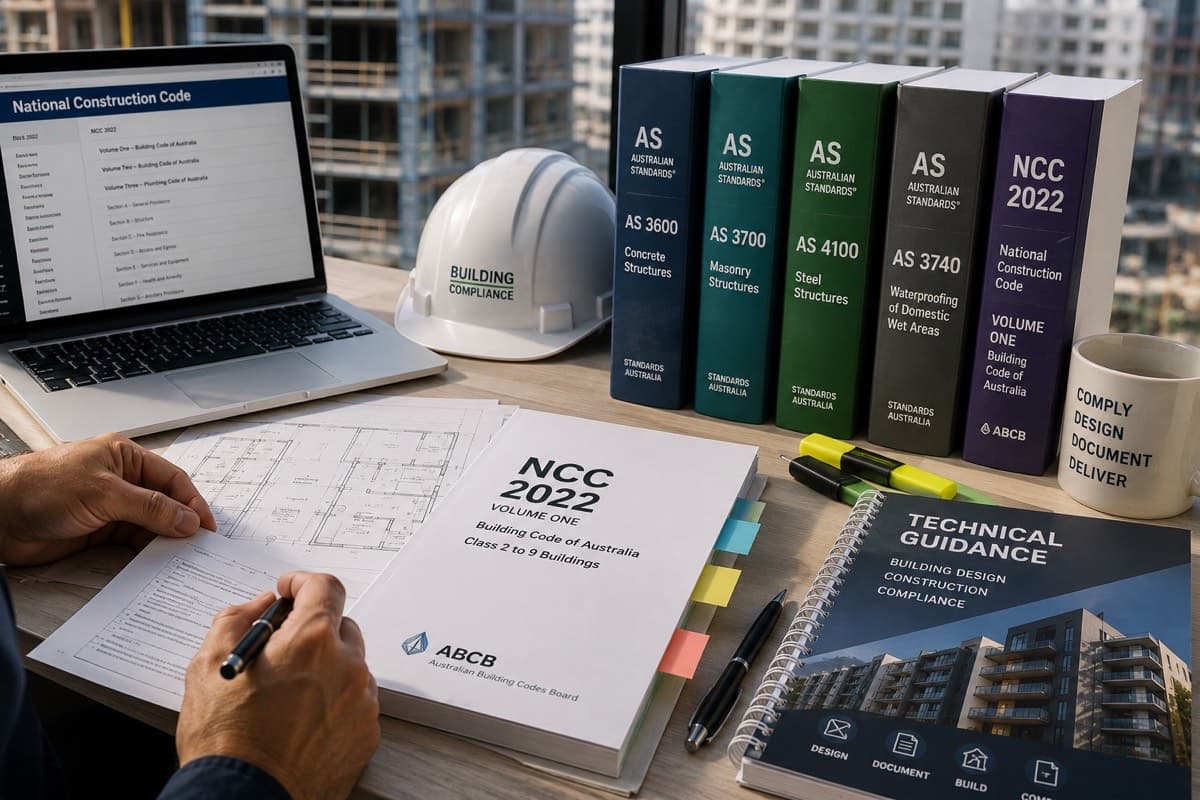
The NSW government has announced proposed reforms to building legislation designed to remove regulatory barriers and encourage greater use of prefabricated housing. The changes target outdated provisions in building codes and approval processes that currently create unnecessary delays or complications for manufacturers and builders adopting off-site construction methods. By streamlining how prefab components are assessed and certified, the state aims to make modular construction a more viable pathway for residential projects.
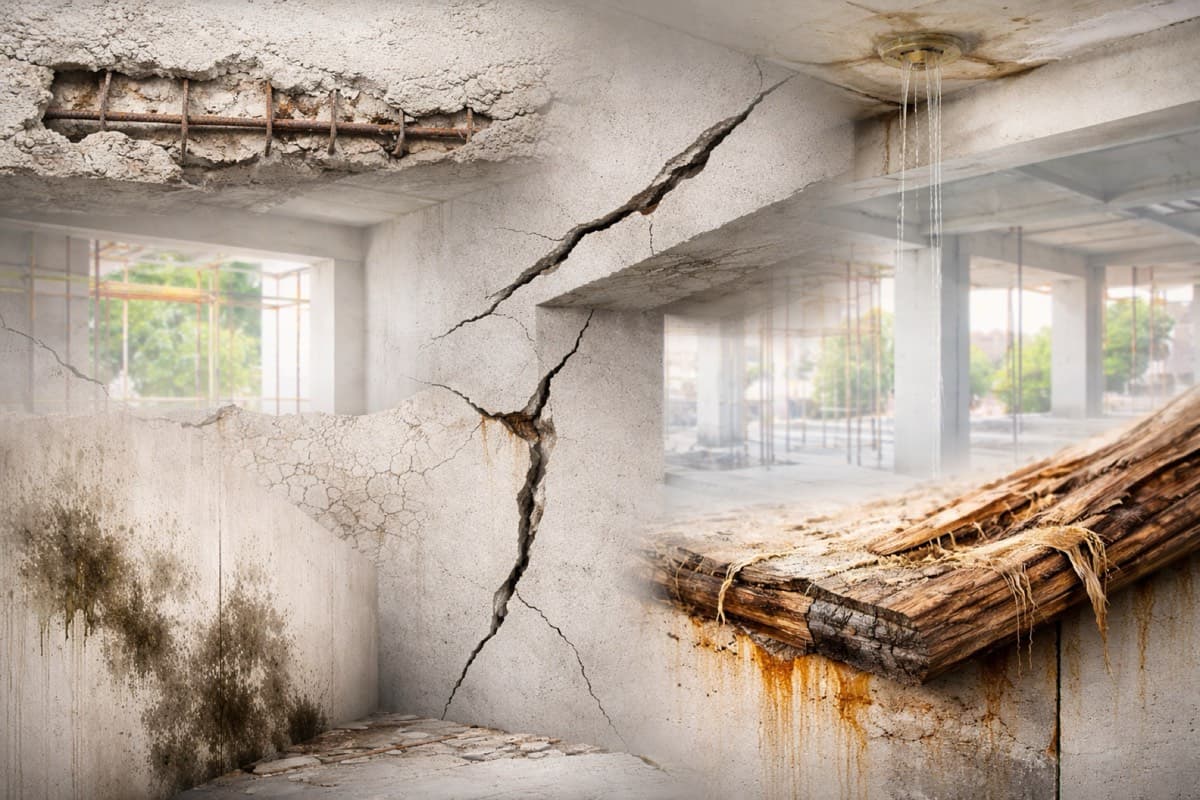
For remedial building professionals and strata managers, this shift towards prefab construction carries long-term implications. Standardised manufacturing processes and factory quality control may reduce on-site defects common in traditionally built apartments—issues like waterproofing failures, concrete placement errors, and façade defects. However, the sector should monitor how these reforms address durability standards, product certification, and warranty frameworks specific to prefabricated systems. Early engagement with the regulatory detail will help identify whether new defect patterns or maintenance obligations emerge as prefab housing becomes more widespread in the residential apartment market.
Originally reported by ArchitectureAu. Editorial summary and analysis prepared by Remedial Building Australia.
Why It Matters
NSW building reform favouring prefabrication may shift construction defect patterns and warranty liability over time. Remedial consultants and strata managers should track regulatory outcomes to understand how factory-built components affect long-term building performance, maintenance obligations, and latent defect exposure in Class 2 residential buildings.
General observation only — not professional, legal, or engineering advice.
Who May Find This Relevant
Source & Attribution
This article contains an editorial summary and industry commentary prepared by Remedial Building Australia. It does not reproduce original article wording. Remedial Building Australia is an independent industry information platform and is not affiliated with the original publisher. Content is general information only — not professional, legal, or engineering advice.
General Information Disclaimer
The information on this page is general industry information only and does not constitute legal, engineering, building, insurance, or professional advice. Users should seek independent professional advice relevant to their specific circumstances. While reasonable efforts are made to ensure accuracy, Remedial Building Australia does not guarantee the completeness or reliability of this information. Terms & Conditions
Related Resources on This Platform
More from New Construction Systems