On Living Buildings, toxic materials and a nice office-resi conversion from Dexus in Brisbane
General Information Disclaimer
The information on this page is general industry information only and does not constitute legal, engineering, building, insurance, or professional advice. Users should seek independent professional advice relevant to their specific circumstances. While reasonable efforts are made to ensure accuracy, Remedial Building Australia does not guarantee the completeness or reliability of this information. Terms & Conditions
Editorial Summary — Remedial Building Australia
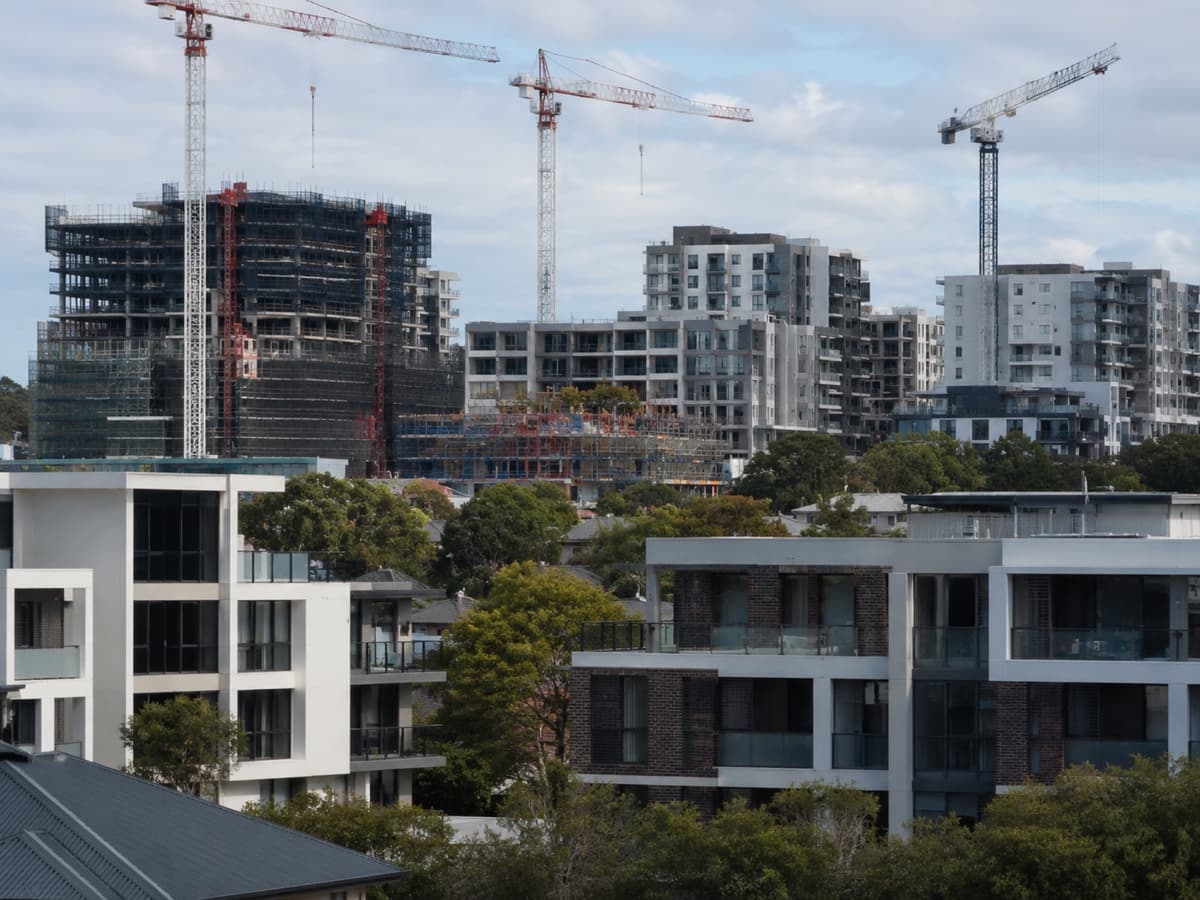
The Fifth Estate has published a sustainability-focused piece examining several themes in contemporary building practice. The article addresses Living Building Challenge certification frameworks, examines the issue of toxic or hazardous materials in construction, and profiles a Brisbane office-to-residential conversion project by Dexus. The piece appears positioned within a broader discussion of climate action and sustainability trends in the property sector, touching on how development practices are shifting in response to environmental concerns. The Dexus project exemplifies adaptive reuse strategy for existing commercial stock, converting redundant office space into residential supply—a practice gaining traction across Australian CBD locations as office vacancy rates remain elevated post-pandemic.
The piece has relevance for building professionals engaged in retrofit work, particularly those managing conversions from commercial to residential use. Understanding material hazards and sustainable practice frameworks helps inform specification decisions and risk management on adaptive reuse projects.
Originally reported by Industry News. Editorial summary and analysis prepared by Remedial Building Australia.
Why It Matters
Adaptive reuse projects and material selection on renovations are routine concerns for strata managers and remedial builders. Knowing how market leaders approach sustainability standards and material hazard assessment provides practical context for similar work, especially as owner corporations increasingly demand greener upgrades and lower-toxicity finishes on defect rectification programs.
General observation only — not professional, legal, or engineering advice.
Who May Find This Relevant
Source & Attribution
This article contains an editorial summary and industry commentary prepared by Remedial Building Australia. It does not reproduce original article wording. Remedial Building Australia is an independent industry information platform and is not affiliated with the original publisher. Content is general information only — not professional, legal, or engineering advice.
Related Resources on This Platform
More from New Construction Systems