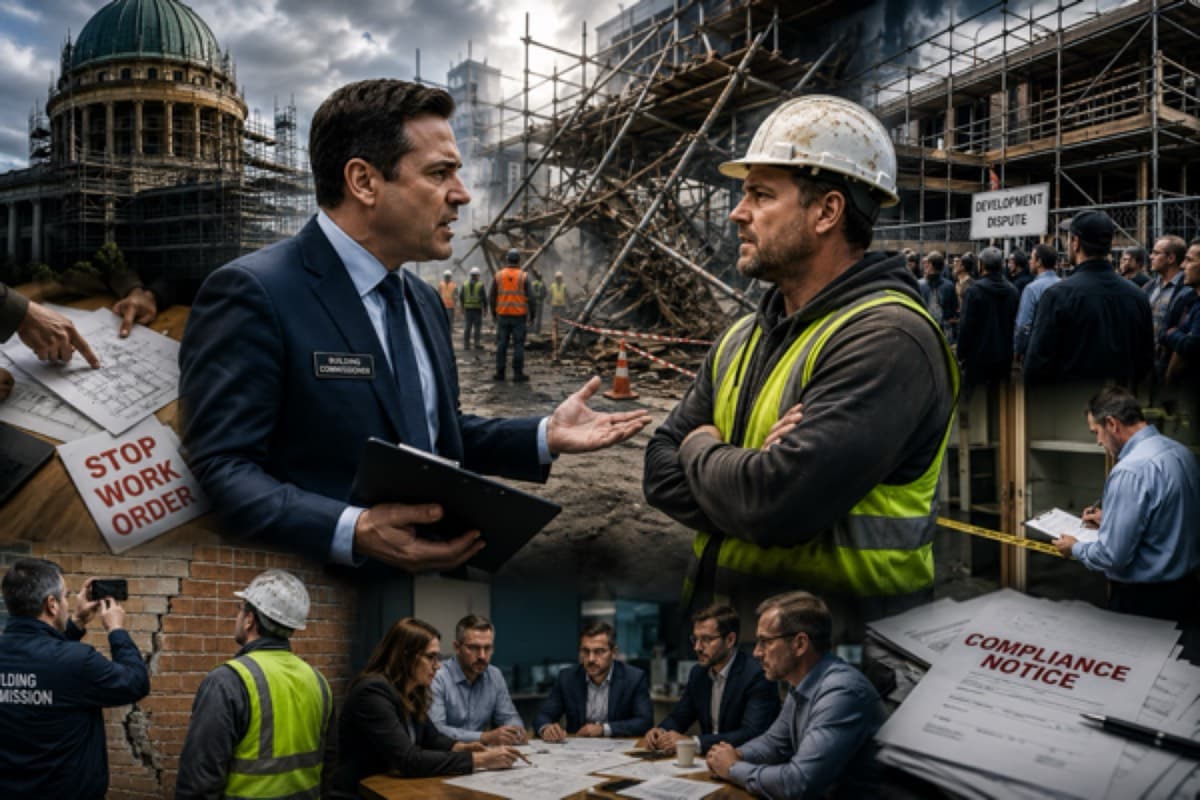
‘Too expensive: pressure on to roll back ‘Opal Tower’ laws
General Information Disclaimer
The information on this page is general industry information only and does not constitute legal, engineering, building, insurance, or professional advice. Users should seek independent professional advice relevant to their specific circumstances. While reasonable efforts are made to ensure accuracy, Remedial Building Australia does not guarantee the completeness or reliability of this information. Terms & Conditions
Editorial Summary — Remedial Building Australia
Following the Opal Tower defect crisis, NSW introduced stricter building legislation to improve construction standards and protect apartment owners. Industry operators are now pushing back against these regulatory requirements, arguing compliance costs have become prohibitive and are pricing projects out of the market. The debate centres on whether the stricter laws—introduced to prevent repeat failures—strike the right balance between safety and economic viability for developers and builders.
For remedial building professionals and strata managers, this pressure to roll back regulations signals potential changes ahead in building oversight frameworks. If defect laws are relaxed, expectations around remedial standards, inspection protocols, and defect liability timelines could shift. Understanding the direction of this policy debate matters because it affects how defects are managed, who bears remediation costs, and what compliance obligations apply to buildings moving forward. Staying across these legislative pressures helps practitioners anticipate shifts in how defect work is specified, contracted, and funded.
Originally reported by realestate.com.au. Editorial summary and analysis prepared by Remedial Building Australia.
Why It Matters
Regulatory rollback discussions directly affect defect management practices, remedial scope definitions, and cost allocation between builders, owners, and insurers. Professionals should monitor these debates as changes to building legislation flow through into defect standards, inspection requirements, and warranty obligations for Class 2 buildings.
General observation only — not professional, legal, or engineering advice.
Who May Find This Relevant
Source & Attribution
This article contains an editorial summary and industry commentary prepared by Remedial Building Australia. It does not reproduce original article wording. Remedial Building Australia is an independent industry information platform and is not affiliated with the original publisher. Content is general information only — not professional, legal, or engineering advice.
Related Resources on This Platform