What's In and What's Out: Building Code Changes Revealed
Editorial Summary — Remedial Building Australia
Building code changes have been formally announced, affecting how new construction and remedial work must be specified and executed. The updates cover multiple areas of the National Construction Code and related standards, with practical implications for design, material selection, and construction delivery across residential and commercial sectors. Builders, certifiers, and designers need to understand which requirements are being added or removed to maintain compliance on active projects and those in planning phases.
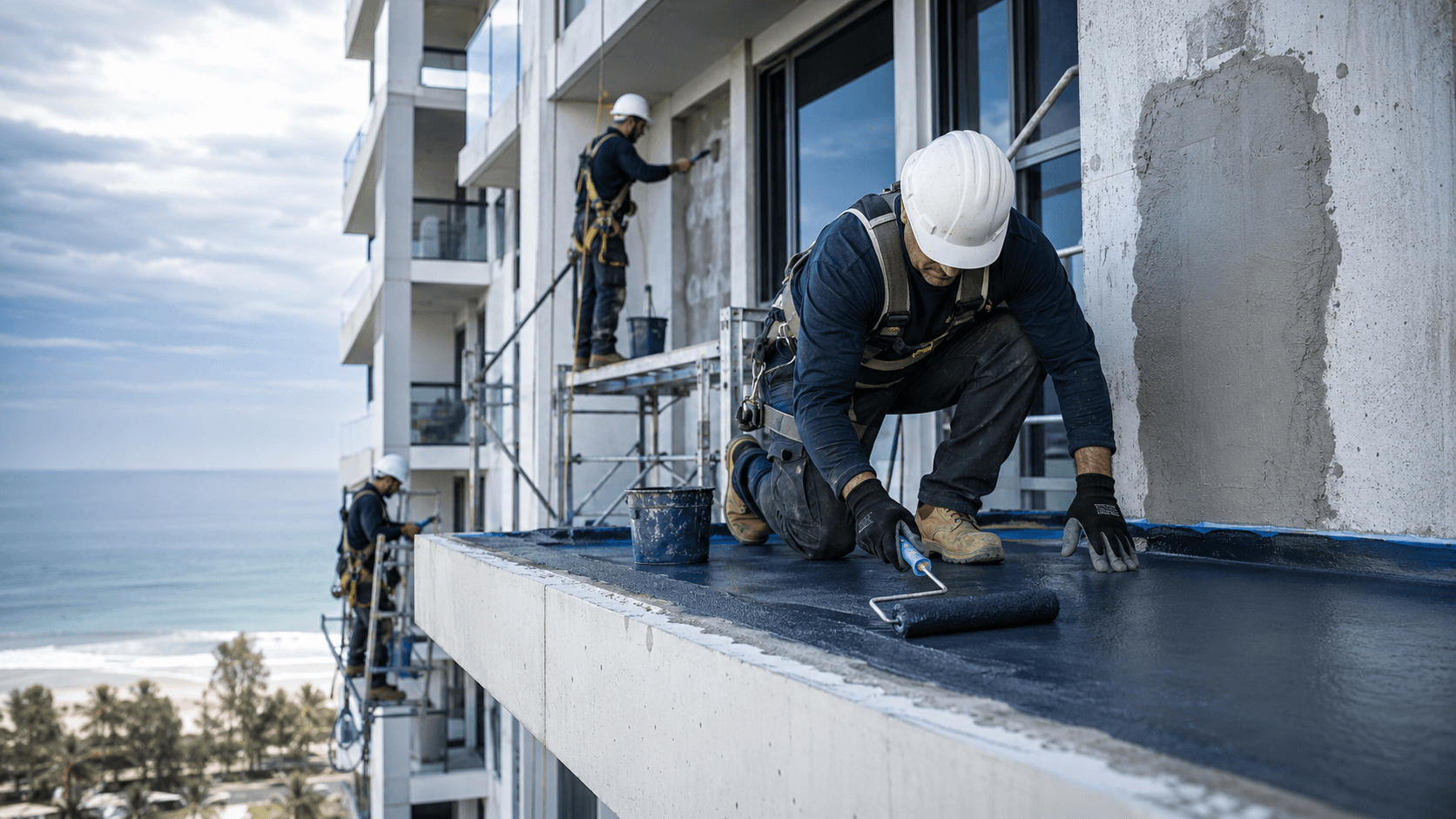
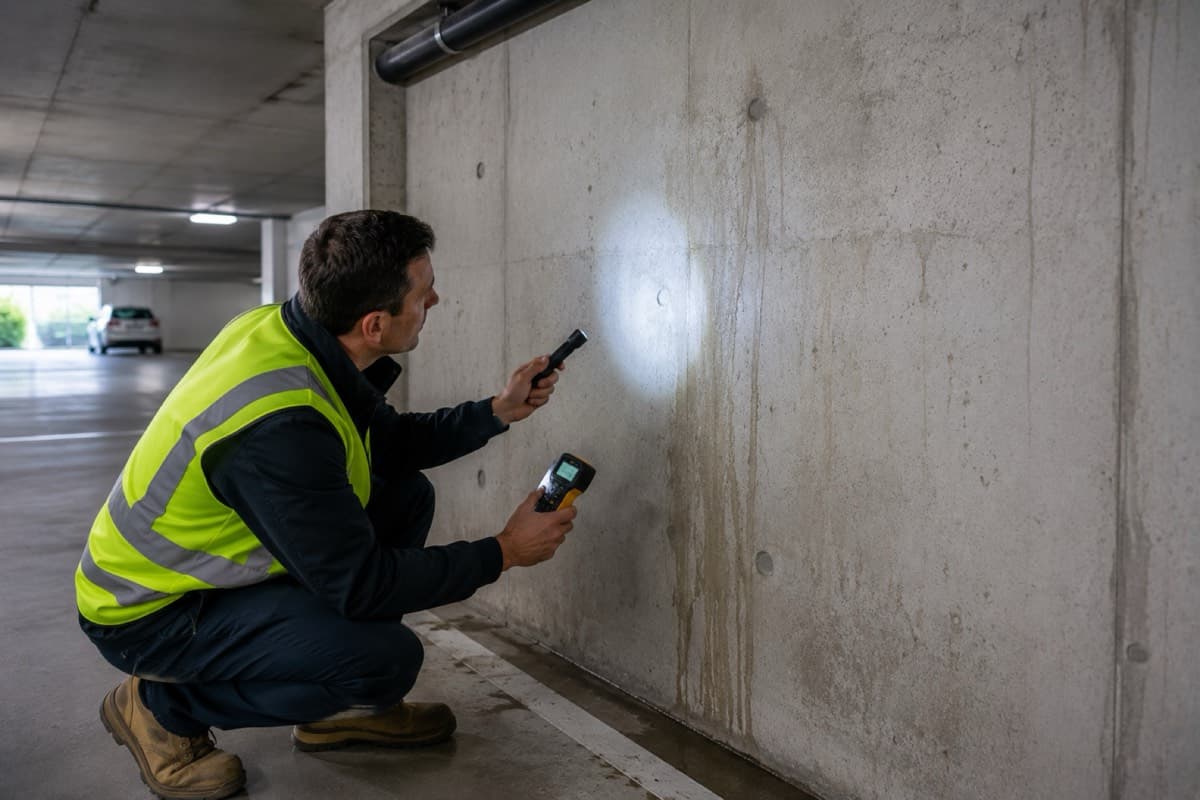
Changes to building codes ripple through remedial projects, particularly when older buildings are being upgraded or when defects must be rectified to current standards. Strata managers and building owners considering maintenance programs or rectification works should factor these changes into scope and budget planning. Contractors and consultants working on Class 2 buildings and apartment remediation need to track which standards now apply, especially if work spans pre- and post-implementation periods, as this affects specification, inspection protocols, and defect liability.
Originally reported by realestate.com.au. Editorial summary and analysis prepared by Remedial Building Australia.
Why It Matters
Building code updates directly affect remedial project scoping, material specifications, and compliance pathways. Contractors, certifiers, and strata managers must incorporate the new requirements into current and future work to avoid defect disputes, ensure insurability, and maintain warranty coverage.
General observation only — not professional, legal, or engineering advice.
Who May Find This Relevant
Source & Attribution
Editorial summary and industry commentary prepared by Remedial Building Australia. Original article wording is not reproduced. We are an independent platform, not affiliated with the original publisher. General information only — not professional, legal, or engineering advice.
General Information Disclaimer
The information on this page is general industry information only and does not constitute legal, engineering, building, insurance, or professional advice. Users should seek independent professional advice relevant to their specific circumstances. While reasonable efforts are made to ensure accuracy, Remedial Building Australia does not guarantee the completeness or reliability of this information. Terms & Conditions
Related Resources on This Platform