World-first project to self heal cracked concrete with sloppy sludge
General Information Disclaimer
The information on this page is general industry information only and does not constitute legal, engineering, building, insurance, or professional advice. Users should seek independent professional advice relevant to their specific circumstances. While reasonable efforts are made to ensure accuracy, Remedial Building Australia does not guarantee the completeness or reliability of this information. Terms & Conditions
Editorial Summary — Remedial Building Australia
Researchers have developed a world-first self-healing concrete system using a sludgy material that fills and repairs cracks as they form. The technology works by introducing the healing agent into concrete during mixing, allowing it to remain dormant until cracks activate the repair mechanism. When concrete fractures, the sludge flows into the crack gaps and hardens, restoring structural integrity without requiring manual intervention or expensive remedial work.
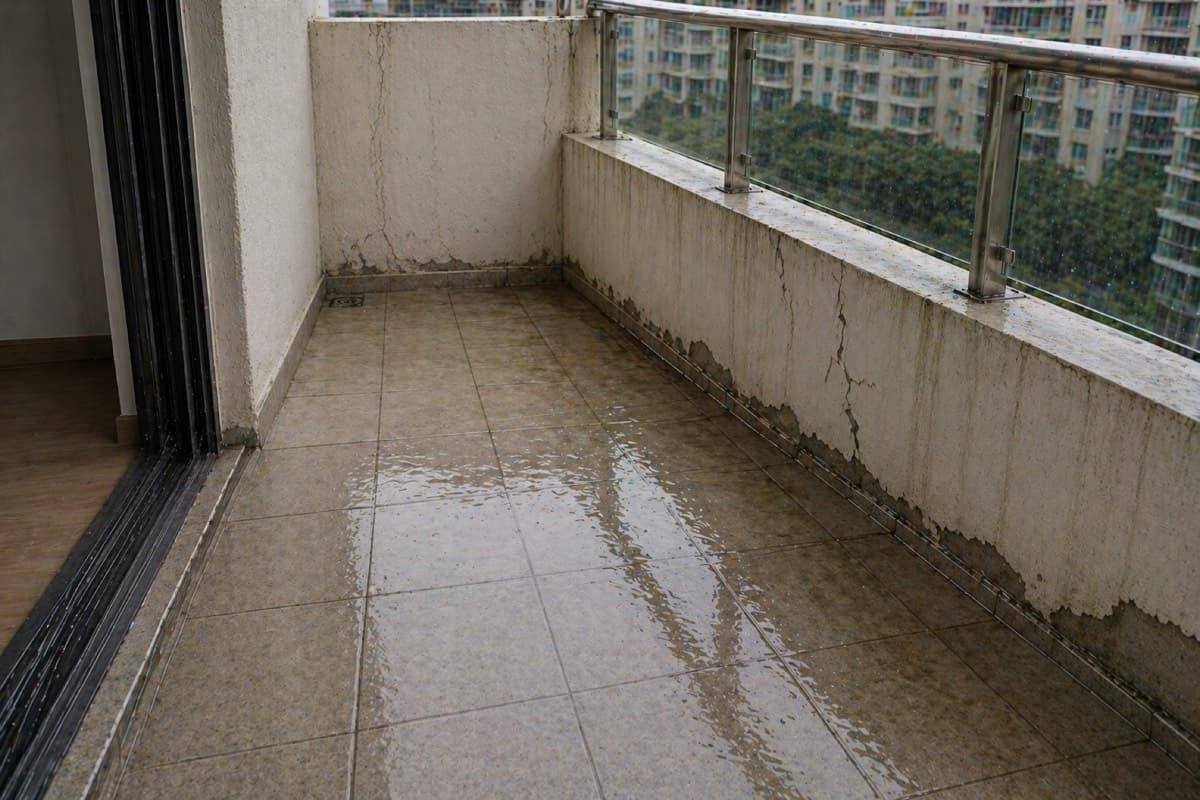
For Australian remedial building practitioners and strata managers, this innovation addresses a persistent challenge in maintaining aging apartment buildings and concrete structures. Concrete cancer and carbonation-induced cracking remain among the costliest defects in Class 2 buildings, typically requiring invasive crack injection or structural remediation. Self-healing concrete could substantially reduce long-term maintenance costs and extend building lifespan, making it particularly valuable for remedial programs targeting widespread concrete deterioration across Australia's aging residential stock.
Originally reported by Smart Water Magazine. Editorial summary and analysis prepared by Remedial Building Australia.
Why It Matters
This technology offers potential cost savings for remedial concrete work across Australian apartment buildings and strata schemes. Reduced need for manual crack injection and structural intervention could lower remediation budgets. However, practitioners should monitor field performance data and Australian Building Code compliance implications before adopting at scale on existing building repairs.
General observation only — not professional, legal, or engineering advice.
Who May Find This Relevant
Source & Attribution
This article contains an editorial summary and industry commentary prepared by Remedial Building Australia. It does not reproduce original article wording. Remedial Building Australia is an independent industry information platform and is not affiliated with the original publisher. Content is general information only — not professional, legal, or engineering advice.
Related Resources on This Platform