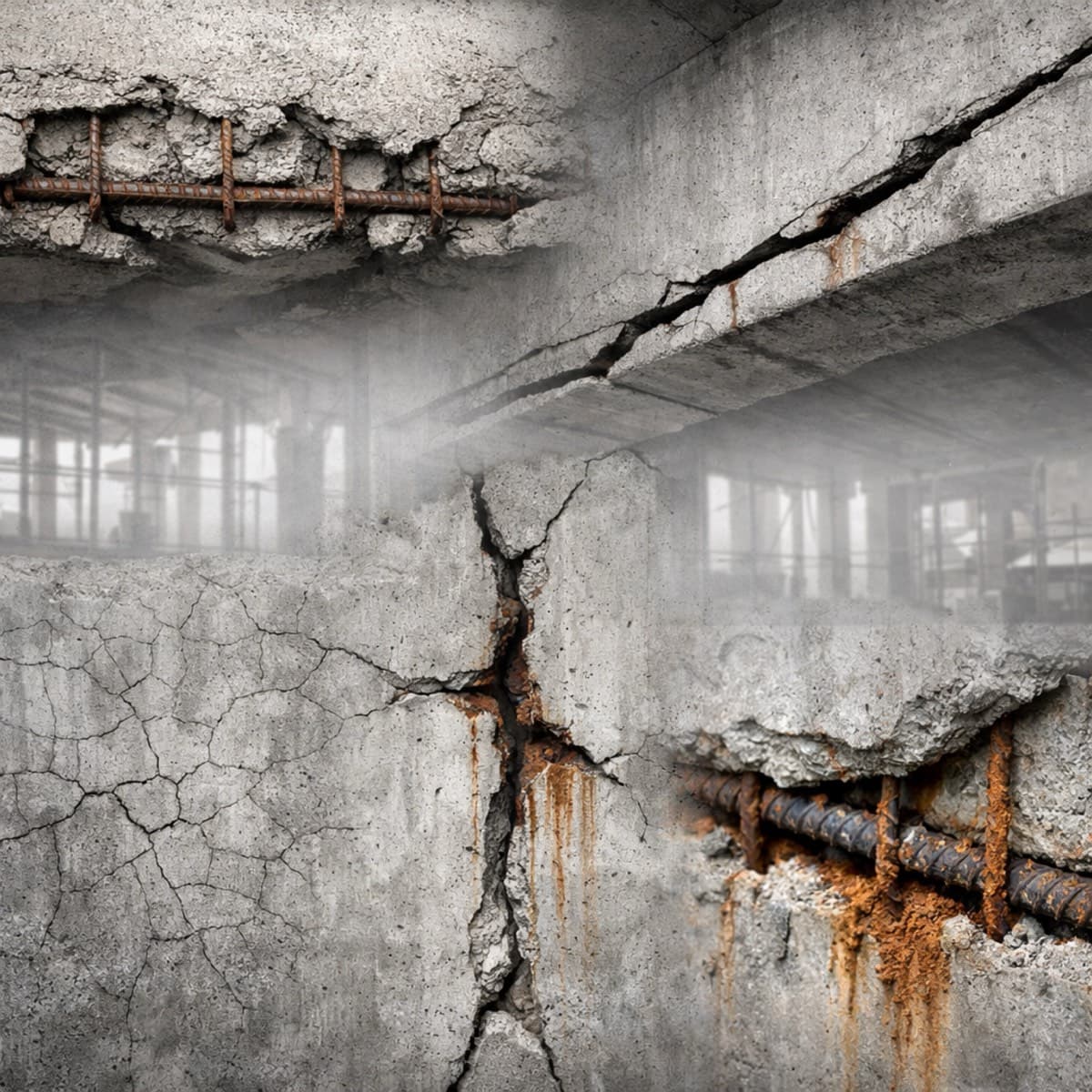
Considerations For Galvanic Anodes In Reinforced Concrete Repair – Performance And Acceptance
Editorial Summary — Remedial Building Australia
Galvanic anodes have emerged as a practical solution for managing reinforcement corrosion in concrete repair work. The technology operates by sacrificing the anode material to protect steel reinforcement from oxidation, extending the service life of repaired concrete elements. Performance data indicates these systems can effectively arrest corrosion progression when properly specified and installed, though acceptance by industry practitioners varies based on design approach, cost considerations, and long-term durability expectations in Australian environmental conditions.
For Australian remedial consultants and contractors, understanding galvanic anode performance is increasingly important as concrete cancer and reinforcement corrosion remain leading defects in apartment buildings and ageing infrastructure. Specifiers need reliable technical guidance on when anodes deliver genuine protection versus when alternative cathodic methods may suit project economics and site constraints better. Clear acceptance criteria help bridge the gap between laboratory performance and real-world durability, particularly for high-risk coastal environments common across Australian Class 2 buildings.
Originally reported by corrosion.com.au. Editorial summary and analysis prepared by Remedial Building Australia.
Why It Matters
Reinforcement corrosion drives expensive concrete repairs across residential apartment buildings nationwide. Galvanic anode technology offers contractors and engineers a defined repair pathway with measurable performance standards. Practitioners need current technical guidance to select appropriate protection methods and justify design choices to building owners and certifiers managing repair budgets.
General observation only — not professional, legal, or engineering advice.
Who May Find This Relevant
Source & Attribution
Editorial summary and industry commentary prepared by Remedial Building Australia. Original article wording is not reproduced. We are an independent platform, not affiliated with the original publisher. General information only — not professional, legal, or engineering advice.
General Information Disclaimer
The information on this page is general industry information only and does not constitute legal, engineering, building, insurance, or professional advice. Users should seek independent professional advice relevant to their specific circumstances. While reasonable efforts are made to ensure accuracy, Remedial Building Australia does not guarantee the completeness or reliability of this information. Terms & Conditions
Related Resources on This Platform
More from Concrete Repair
11 June 2026
Anti-carbonation coating preventing concrete degradation on new Melbourne Airport bridge
Read
17 September 2025
Recarbonation process opens pathway to low carbon concrete
Read
30 May 2023