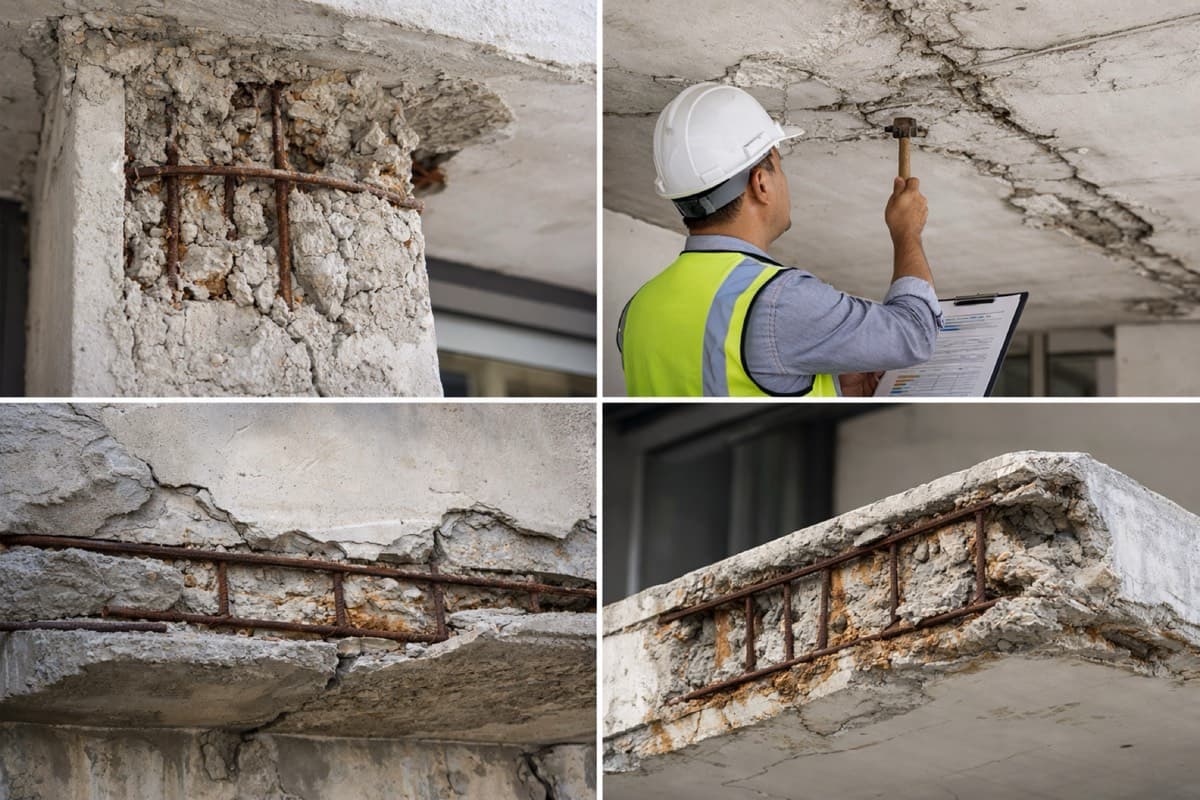
Recarbonation process opens pathway to low carbon concrete
Editorial Summary — Remedial Building Australia
A recarbonation process has emerged as a viable method for producing low-carbon concrete, addressing the construction industry's push toward more sustainable building materials. The technology works by capturing and reusing carbon dioxide in concrete production, reducing the embodied carbon footprint compared to conventional portland cement-based mixes. This approach offers a practical pathway for new construction and potentially for concrete remediation work where carbon performance matters.
For remedial building practitioners and strata professionals, this development opens opportunities to specify lower-carbon concrete in repair and remediation projects. As building codes increasingly reflect sustainability benchmarks and client demand for reduced embodied carbon grows, concrete recarbonation becomes relevant to project specification and material selection. The process could support compliance with evolving environmental performance standards in Class 2 building upgrades and major remedial works.
Originally reported by Architecture & Design. Editorial summary and analysis prepared by Remedial Building Australia.
Why It Matters
Remedial contractors and specifiers should track recarbonation technology as it matures, as it may influence concrete material choices in future defect rectification projects and sustainability-focused building upgrades. Familiarity with the process positions professionals to advise on lower-carbon repair options when specifications allow or require environmental performance targets.
General observation only — not professional, legal, or engineering advice.
Who May Find This Relevant
Source & Attribution
Editorial summary and industry commentary prepared by Remedial Building Australia. Original article wording is not reproduced. We are an independent platform, not affiliated with the original publisher. General information only — not professional, legal, or engineering advice.
General Information Disclaimer
The information on this page is general industry information only and does not constitute legal, engineering, building, insurance, or professional advice. Users should seek independent professional advice relevant to their specific circumstances. While reasonable efforts are made to ensure accuracy, Remedial Building Australia does not guarantee the completeness or reliability of this information. Terms & Conditions
Related Resources on This Platform
More from Concrete Repair
11 June 2026
Anti-carbonation coating preventing concrete degradation on new Melbourne Airport bridge
Read
19 March 2024
Considerations For Galvanic Anodes In Reinforced Concrete Repair – Performance And Acceptance
Read
30 May 2023