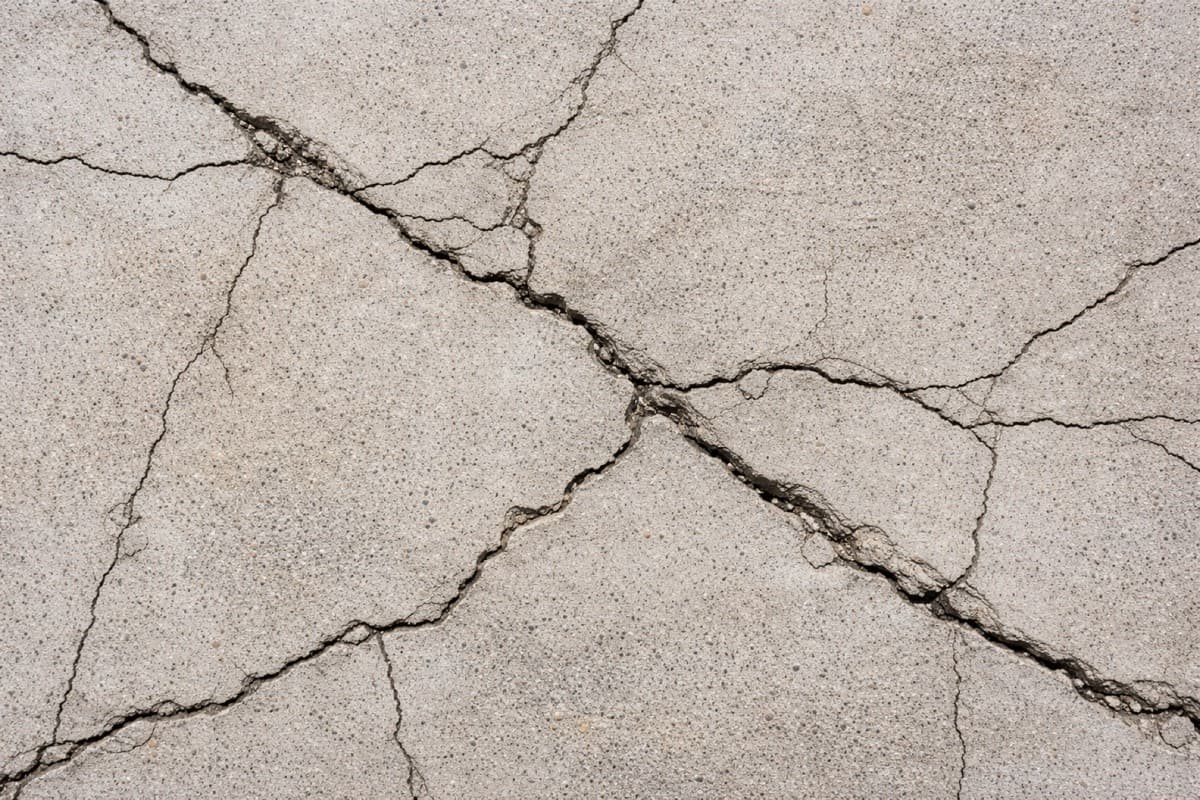
Anti-carbonation coating preventing concrete degradation on new Melbourne Airport bridge
Editorial Summary — Remedial Building Australia
Melbourne Airport's new bridge project is implementing anti-carbonation coatings as a protective measure against concrete degradation caused by carbonation. Carbonation occurs when atmospheric CO₂ penetrates the concrete surface, lowering the pH and exposing reinforcement steel to corrosion. By applying these specialist coatings during construction rather than waiting for defects to emerge, the project is taking a preventive approach to extending the structure's service life and reducing future remedial costs.
For remedial building professionals and concrete specialists, this application demonstrates a shift toward early intervention strategies in major infrastructure. Anti-carbonation coatings are a recognised protective system under AS 3600 and EN 1504 standards, offering an alternative to reactive repairs like crack injection or cathodic protection. The Melbourne Airport case provides practical evidence of how specifying these coatings on new concrete work can significantly reduce the likelihood of spalling, concrete cancer, and reinforcement corrosion — common defect drivers in Australian apartment and commercial buildings exposed to weathering.
Originally reported by Architecture & Design. Editorial summary and analysis prepared by Remedial Building Australia.
Why It Matters
Anti-carbonation coatings represent a cost-effective preventive strategy relevant to remedial consultants, building certifiers, and strata managers overseeing aging concrete structures. Understanding their application and performance standards helps inform defect prevention specifications and retrofit decisions for existing residential and commercial buildings facing carbonation-related degradation.
General observation only — not professional, legal, or engineering advice.
Who May Find This Relevant
Source & Attribution
This article contains an editorial summary and industry commentary prepared by Remedial Building Australia. It does not reproduce original article wording. Remedial Building Australia is an independent industry information platform and is not affiliated with the original publisher. Content is general information only — not professional, legal, or engineering advice.
General Information Disclaimer
The information on this page is general industry information only and does not constitute legal, engineering, building, insurance, or professional advice. Users should seek independent professional advice relevant to their specific circumstances. While reasonable efforts are made to ensure accuracy, Remedial Building Australia does not guarantee the completeness or reliability of this information. Terms & Conditions
Related Resources on This Platform
More from Concrete Repair

17 September 2025
Recarbonation process opens pathway to low carbon concrete
Read19 March 2024
Considerations For Galvanic Anodes In Reinforced Concrete Repair – Performance And Acceptance
Read
30 May 2023