Concrete cancer - what's the cure for 9% of global emissions? - architecture and design news - API Magazine
Editorial Summary — Remedial Building Australia
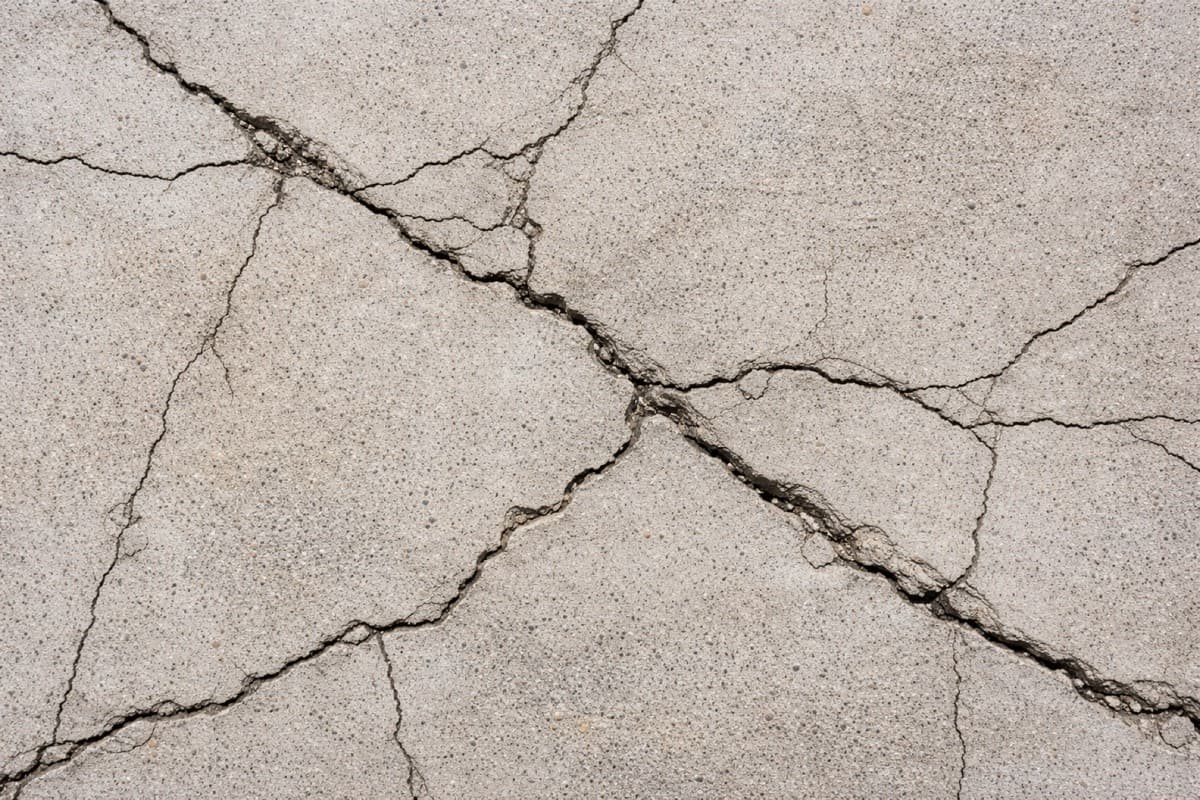
Concrete cancer—the corrosion of reinforcement steel caused by carbonation and chloride ingress—accounts for roughly 9% of global greenhouse gas emissions when you factor in cement production and the energy-intensive repair cycles that follow. The article examines the chemistry behind concrete degradation and explores emerging remedial technologies and material science approaches aimed at reducing both the environmental footprint of cement manufacturing and the frequency of costly repairs needed across aging building stock. Solutions under investigation include lower-carbon binders, concrete additives that slow carbonation, and protective coatings that extend service life before major intervention becomes necessary.
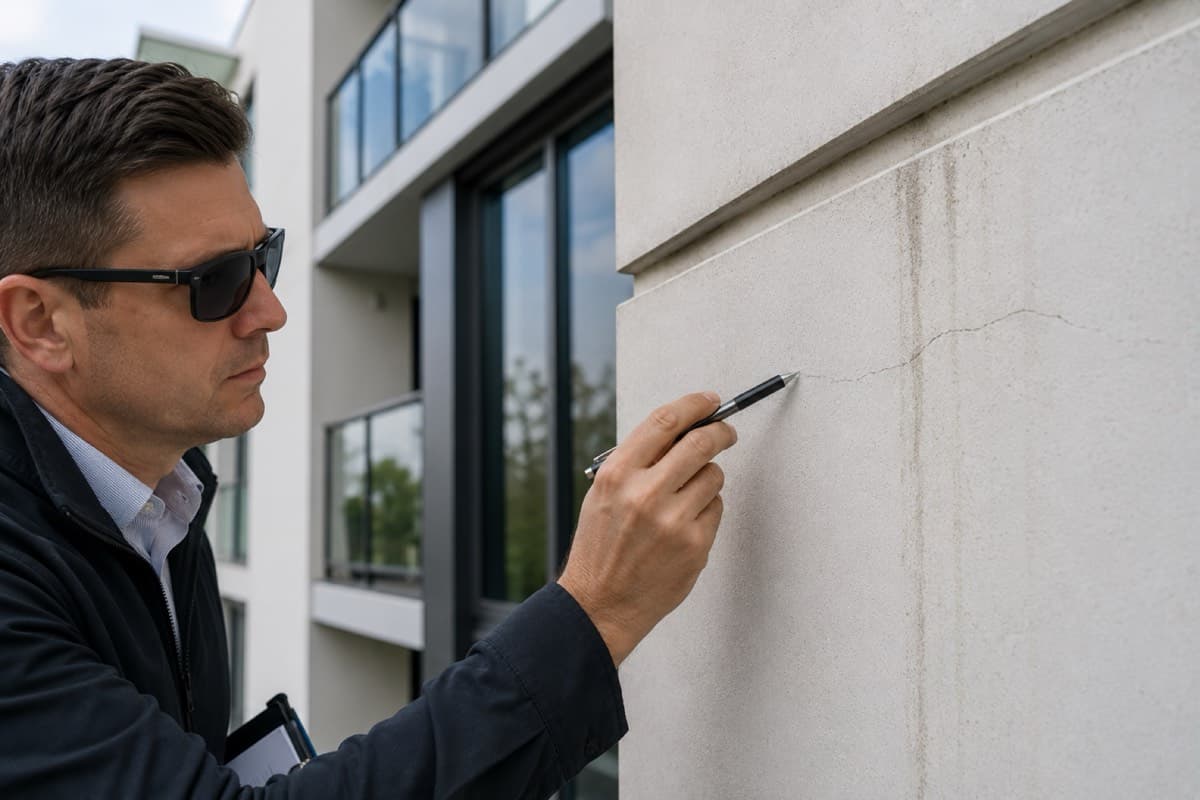
For Australian remedial practitioners and strata managers, this piece connects two pressing issues: the mounting cost of concrete cancer repairs in aging residential and commercial buildings, and the growing pressure from clients and regulators to adopt lower-emission repair methods. As latent defect claims and rectification budgets continue climbing, understanding which remedial systems and materials genuinely slow degradation—rather than simply treating symptoms—will become a competitive advantage. Specifiers and contractors who can demonstrate durability gains while reducing embodied carbon in repair specifications will meet both risk management and sustainability mandates.
Originally reported by Australian Property Investor Magazine. Editorial summary and analysis prepared by Remedial Building Australia.
Why It Matters
Concrete cancer repair costs and replacement cycles are a major remedial sector driver in Australia's aging apartment stock. Understanding the science behind degradation mechanisms and emerging low-carbon repair technologies helps contractors and engineers specify durable, efficient solutions that reduce lifecycle costs and align with building owners' environmental and financial objectives.
General observation only — not professional, legal, or engineering advice.
Who May Find This Relevant
Source & Attribution
Original publisher: Australian Property Investor Magazine
Published: 30 May 2023
This article contains an editorial summary and industry commentary prepared by Remedial Building Australia. It does not reproduce original article wording. Remedial Building Australia is an independent industry information platform and is not affiliated with the original publisher. Content is general information only — not professional, legal, or engineering advice.
General Information Disclaimer
The information on this page is general industry information only and does not constitute legal, engineering, building, insurance, or professional advice. Users should seek independent professional advice relevant to their specific circumstances. While reasonable efforts are made to ensure accuracy, Remedial Building Australia does not guarantee the completeness or reliability of this information. Terms & Conditions
Related Resources on This Platform
More from Concrete Repair